The first time I took my daughter to Thailand she was four. I spent weeks fretting about which island could survive a toddler with jet lag and a taste for drama. A decade of island-hopping with kids later, I’ve learned that the “best” island depends entirely on what your family actually does between breakfast and bedtime. Thailand’s family islands split into two camps. The polished, resort-heavy ones where everything works and nobody gets lost. And the rougher, slower ones where you trade convenience for genuine adventure. Both can be brilliant. The trick is matching the island to your crew rather than chasing someone else’s Instagram feed.
Overview
Thailand has hundreds of islands. Only a handful are genuinely set up for families with young children. The Andaman Sea side, off the west coast, gives you Phuket, Koh Lanta, Koh Yao Noi and the Phi Phi group. The Gulf of Thailand side, east and south, hands you Koh Samui, Koh Phangan and Koh Tao. Each has a distinct personality, and the differences matter more than the brochures suggest.
Phuket is the infrastructure king: international airport, hospitals, water parks, and beaches calm enough for beginners. Koh Samui runs a close second with better food and a slightly more laid-back rhythm. Koh Lanta is the sleeper pick, quiet, cheap, and shallow, while Koh Yao Noi rewards families who want rice paddies and bicycle lanes instead of nightlife. If your kids are older and water-confident, Koh Tao and the Phi Phi islands open up snorkelling and diving that younger children simply can’t access safely. Pick wrong and you’ll spend your holiday managing logistics. Pick right and the island does the work for you.

Top 3 Attractions
1. Phuket’s Nai Harn and Kata Noi beaches. Most families default to Patong and regret it within an hour. Nai Harn, in the island’s south, is a sheltered crescent with a gentle gradient, lifeguards in high season, and a freshwater lake behind the sand where kids can feed the fish. Kata Noi, just over the hill, is smaller and calmer still, with a handful of low-key restaurants right on the sand. Both are free, both have shade, and neither will overwhelm a five-year-old at 2pm.
2. Koh Lanta’s Lanta Animal Welfare centre. This sounds like an odd recommendation until you’ve spent a morning there. The shelter rescues street dogs and cats, runs guided tours for visitors, and lets children help walk puppies and socialise kittens under supervision. My son still talks about a three-legged dog named Somchai. Entry is by donation, it’s a genuine break from the beach, and it teaches kids something real about the country they’re visiting rather than just its postcard version.
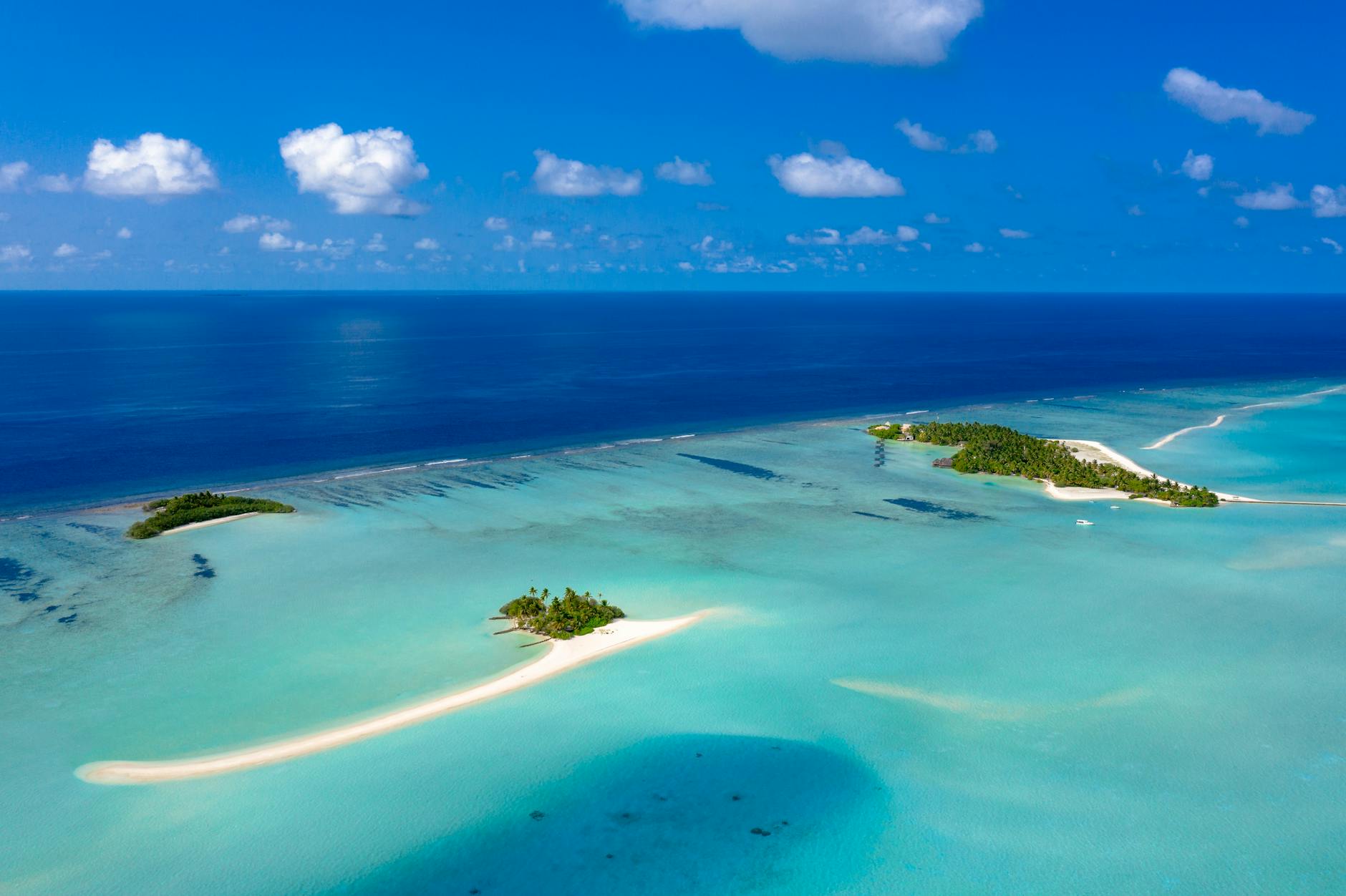
3. Snorkelling at Koh Nang Yuan, near Koh Tao. A fifteen-minute longtail ride from Koh Tao’s Sairee Beach gets you to three tiny islands joined by sandbars with reef fish in waist-deep water. This is where families with kids aged eight and up hit gold: you don’t need a boat tour, you don’t need to dive, and the fish are visible from the moment you step off the sand. Go early, before 10am, or the day-trippers from Samui arrive and the serenity evaporates.
Insider Tips
- Book the ferry, not the speedboat, with small children. Speedboats are faster but bounce hard, and seasickness on a 45-minute crossing is a holiday-ruiner. The car ferries between Krabi and Koh Lanta are slower, steadier, and you can walk around.
- Travel in shoulder season, late April to early June. You’ll get 30 to 40 percent off accommodation, fewer crowds, and mostly dry weather. The trade-off is occasional afternoon squalls, which is fine if your kids nap anyway.
- Carry cash for islands outside Phuket and Samui. ATMs on Koh Lanta and Koh Yao Noi run dry or eat cards with alarming regularity. Withdraw in Krabi or Surat Thani before you cross.
- Skip the elephant camps. Even the ones that call themselves “sanctuaries” often aren’t. If your family wants animal contact, the Lanta shelter or a reputable turtle conservation project beats a riding photo every time.
- Learn the phrase “mai phet” (not spicy) before your first meal. Thai kitchens assume heat. One phrase saves you from a dinner-table meltdown and a hungry child at 8pm.
Practical Info
Getting there. Phuket has direct international flights from across Asia, the Middle East and Europe. Koh Samui has its own airport with Bangkok Airways flights, though they’re pricey. For Koh Lanta, fly to Krabi then take a minivan and car ferry, roughly two and a half hours total. Koh Tao is reached by ferry from Chumphon or Surat Thani, and the crossing can be rough between November and December.
Best time to visit. The Andaman coast (Phuket, Lanta, Phi Phi) is best from November to April. The Gulf coast (Samui, Phangan, Tao) has a slightly different pattern, with its driest stretch from January to March and heavier rain in November. If you’re travelling in July or August, the Gulf side often wins.
Budget. A family of four can eat well for 800 to 1,200 baht per meal at local restaurants, or roughly double that at resort restaurants. Mid-range family rooms run 1,500 to 3,500 baht per night in shoulder season. Ferries cost 300 to 600 baht per adult. Factor in 500 to 1,000 baht per day for transport and activities.
Safety. The real risks aren’t crime, they’re water and roads. Rip currents kill more tourists in Thailand than anything else, so swim where lifeguards are present and never during the monsoon. Rent scooters only if you’re an experienced rider, and wear helmets. Children’s life jackets on boats are often missing or adult-sized, so bring your own for kids under eight. Travel insurance with medical evacuation cover isn’t optional here.
A Surprising Fact
Koh Samui’s ring road is only about 50 kilometres long, yet the island generates a disproportionate share of Thailand’s coconut exports. Here’s the counter-intuitive part: the trained monkeys that once picked coconuts here were so central to the industry that a dedicated school on the island taught them the trade for decades. Most visitors assume the coconut palms are decorative. They’re not. Your morning smoothie probably started on a tree your kids cycled past without noticing.
Thailand’s family islands aren’t interchangeable, and treating them that way is how you end up in the wrong place at the wrong time of year. Match the island to your children’s ages, your tolerance for rough boat rides, and how much you actually want to do versus how much you want to lie on a beach doing nothing. Which of those sounds more like your family right now? Book the shoulder-season ferry, pack the life jackets, and go find out.