Ireland packs more castles per square mile than almost anywhere on earth. We’re talking north of 30,000 tower houses, keeps, and fortified manor ruins, scattered across a country you can drive end to end in half a day. That density is the magic. You don’t visit one castle here — you stumble into them. A crumbling Norman keep behind a petrol station. A round tower with a view of sheep. I’ve spent the better part of a decade poking around these stone skeletons, and the ones that stay with me aren’t always the famous names. Here’s how to find the good ones.
Overview
Most of Ireland’s castles weren’t built for royalty. They were built for defense, and often for survival. From the 12th-century Norman invasion onward, the country became a chessboard of fortified strongholds — some royal, many more the private keeps of local chieftains trying to hold onto land. That’s why you’ll find a squat tower house with a single spiral staircase standing alone in a field with no sign, no ticket booth, and no one around.
The big-name castles — Bunratty, Blarney, Kilkenny — are genuinely worth seeing, but they come with tour buses and gift shops selling shamrock keychains. The real reward is mixing one headline castle with two or three quiet ruins you had to ask a farmer for directions to reach. Rent a car. Give yourself time to get lost. The castles reward the slow traveler.
Top 3 Attractions
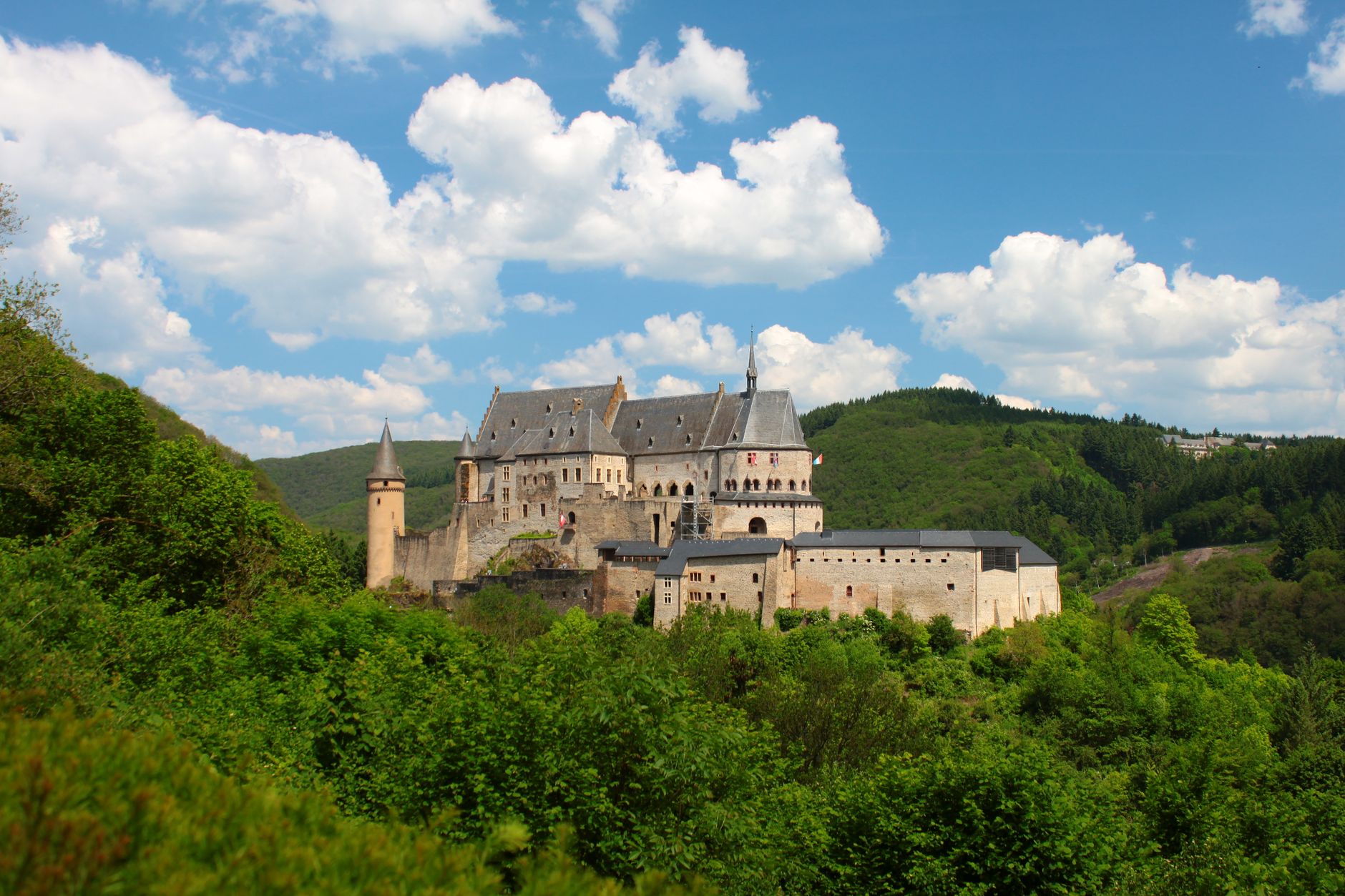
Rock of Cashel, County Tipperary. Not technically a castle in the classic sense — it’s a fortified ecclesiastical complex crowning a limestone outcrop that rises straight out of the Tipperary plain. But the drama is unmatched. Cormac’s Chapel, built in the 1130s, has the finest Romanesque carving in Ireland, and the 12th-century round tower is one of the best-preserved in the country. Stand at the edge of the graveyard at golden hour and the whole valley goes gold beneath you. Entry is around €8 for adults, and it’s a 90-minute drive from Dublin or Cork. Go first thing at opening or after 4pm to dodge the coach tours.
Cahir Castle, County Tipperary. My favorite in all of Ireland, and it almost never makes the tourist lists. Built in the 13th century on a rocky island in the River Suir, it’s one of the largest and best-preserved castles in the country. The audio guide is genuinely good — not the usual droning filler. You can climb the towers, walk the ramparts, and see the original 15th-century defenses that held off Cromwell’s artillery for a while. It’s a 20-minute walk from the town of Cahir, and admission is about €5. Pair it with a pint at a pub in town afterward.
Dunluce Castle, County Antrim. Perched on a basalt cliff above the North Atlantic, Dunluce looks like it was designed by a gothic novelist rather than a medieval mason. Parts of the kitchen and servants’ quarters collapsed into the sea during a storm in 1639, and the ruins still cling to the edge. The view down the coast toward the Giant’s Causeway is worth the trip alone. It’s about an hour from Belfast by car; admission runs around £6. Bring a windproof jacket — the gusts here will take your hat and your dignity.
Insider Tips
- Buy the OPW Heritage Card if you’re hitting more than four sites. Ireland’s Office of Public Works runs most of the state-owned castles, and the annual card covers entry to dozens of them for around €40. It pays for itself in a weekend.
- Go in shoulder season — late April or September. You get the light and the long evenings without the July crowds, and accommodation prices drop by a third. Some smaller castles close for the winter, so check opening times before you build a route around one.
- Ask at the local pub, not the tourist office. The best ruins are often on private farmland with no signage. Publicans and shopkeepers know which farmer will let you walk up to a tower house for the price of a friendly chat. Bring small change for a donation.
- Wear boots with grip, not trainers. Spiral staircases in medieval towers are worn smooth and often wet. I’ve watched more than one person take a tumble on the same steps that have stood for 800 years.
- Photograph the small ones at dawn. Famous castles have opening hours; abandoned ones don’t. A lone tower house in mist at 7am, with no one else for miles, is the shot you’ll actually frame when you get home.
Practical Info
Getting around. A car is close to essential if you want the quiet castles. Public transport reaches the big sites — trains run from Dublin to Kilkenny, Cork, and Limerick, and there are buses to Cashel and Cahir — but the ruins in the middle of fields require your own wheels. Rent from Dublin or Shannon airport; a compact car runs €30–€50 per day in shoulder season. Drive on the left, and expect narrow roads with no shoulder. Give yourself more time than the map suggests.
Best time to visit. May, June, and September are the sweet spots. Daylight stretches past 9pm in June, which means you can visit three castles in a day and still have light for a fourth. July and August bring crowds and peak prices. Winter is atmospheric and cheap but many smaller sites close, and daylight ends by 4:30pm.
Budget. Plan on €70–€120 per day for a mid-range trip: €40–€60 for a B&B or guesthouse, €25–€40 for meals, and €5–€10 per castle entry. The Heritage Card cuts the castle costs dramatically. Petrol runs about €1.70–€1.90 per liter, so factor that in for longer drives.
Safety. Ireland is very safe for travelers. The real risks are the ones nobody warns you about: wet stone steps, cliff edges at coastal castles like Dunluce, and livestock in fields you cross to reach a ruin. Always close gates behind you. Watch for slippery grass after rain. If a ruin looks structurally unstable, it probably is — admire it from a distance rather than climbing inside.
A Surprising Fact
Blarney Castle’s famous stone isn’t the only one worth kissing — and the legend is younger than most people assume. The “gift of gab” story attached to the Blarney Stone only became a tourist draw in the 19th century, largely manufactured to sell visits. More counter-intuitively: many of Ireland’s most photographed “castles” were never defensive at all. A chunk of them are Victorian-era follies, built by wealthy landlords in the 1800s purely for the aesthetic. If a castle looks too perfect, too symmetrical, and too conveniently placed for a postcard, check the date — it might be 150 years old, not 800.
Ireland’s castles aren’t a checklist to tick off. They’re a reason to drive slowly, take wrong turns, and stop when something catches your eye through a hedge. Book the flight, rent the smallest car you can stand, and leave at least one day entirely unplanned. Which castle will you find when you’re not looking for one?