Norway rewires your sense of scale. Three weeks driving from Oslo to the Lofoten Islands a few years back taught me that what lingers isn’t the postcard fjords — it’s the silence on a 2 a.m. ferry crossing with the sun still hanging above the horizon. The landscape here does most of the talking. Your job is to show up prepared. Plan badly and you’ll burn your budget on $18 beers while missing the stuff that matters. Plan well and Norway will ruin other countries for you. Here’s how to do the latter.
Overview
Norway stretches 1,750 kilometres from temperate south to Arctic north. The gap between Oslo and Tromsø is roughly the gap between Denmark and Greenland. Most first-timers try to “do Norway” in a week. Don’t. Roads are slow, ferries are frequent, and the distances on the map lie to you. A realistic trip covers one region properly — the western fjords, the Lofoten archipelago, or the northern Arctic coast — rather than sprinting through all three.
The country runs on a peculiar logic. Expensive, yes. Also remarkably frictionless: trains leave on time, trails are marked, and wild camping is a legal right under allemannsretten, the ancient right to roam. Pitch a tent on uncultivated land almost anywhere, for free, as long as you leave no trace and stay 150 metres from any inhabited building. That single law changes the economics of a Norwegian trip more than any budget hack you’ll read online.
Top 3 Attractions
1. The Nærøyfjord branch of Sognefjord. This is the narrow one — barely 250 metres wide at points, with cliff walls climbing a kilometre straight up. It’s a UNESCO site, and the ferry from Gudvangen to Flåm takes about two hours. Skip the crowded “fjord safari” speedboats. Take the regular car ferry instead; it’s cheaper, quieter, and you get the same water. Go early morning before the tour buses from Bergen arrive around 11 a.m.
2. Reine and the Lofoten Islands. Those granite spires rising straight out of turquoise water aren’t a Photoshop trick. Base yourself in Reine or the smaller village of Å (pronounced “aw”), then hike Reinebringen — a brutal 1,978-step stone staircase built by Sherpas from Nepal. The payoff at the top is the single best view in Scandinavia. Do it in June or early July for midnight sun; the light between 11 p.m. and 2 a.m. is unreal.
3. Tromsø and the aurora belt. Sitting at 69° north, Tromsø is the largest city above the Arctic Circle and a genuine launchpad for northern lights chasing. Season runs roughly September to late March. Book a small-group chase with a local guide rather than a big-bus tour — they’ll drive two hours into Finland or Sweden if the cloud forecast demands it. On a clear night with strong solar activity, you’ll see the aurora from the city park.
Insider Tips
- Buy alcohol at Vinmonopolet. Wine and spirits are only sold in the state monopoly shops, which close at 6 p.m. weekdays, 3 p.m. Saturdays, and are shut entirely on Sundays. Plan around this or you’ll be drinking $15 airport beer.
- Book the Flåm and Bergensbanen trains months ahead. The Oslo–Bergen line is one of the world’s great rail journeys, but summer seats vanish by March. Use the Minipris fares on vy.no for tickets as low as 199 NOK if you book early.
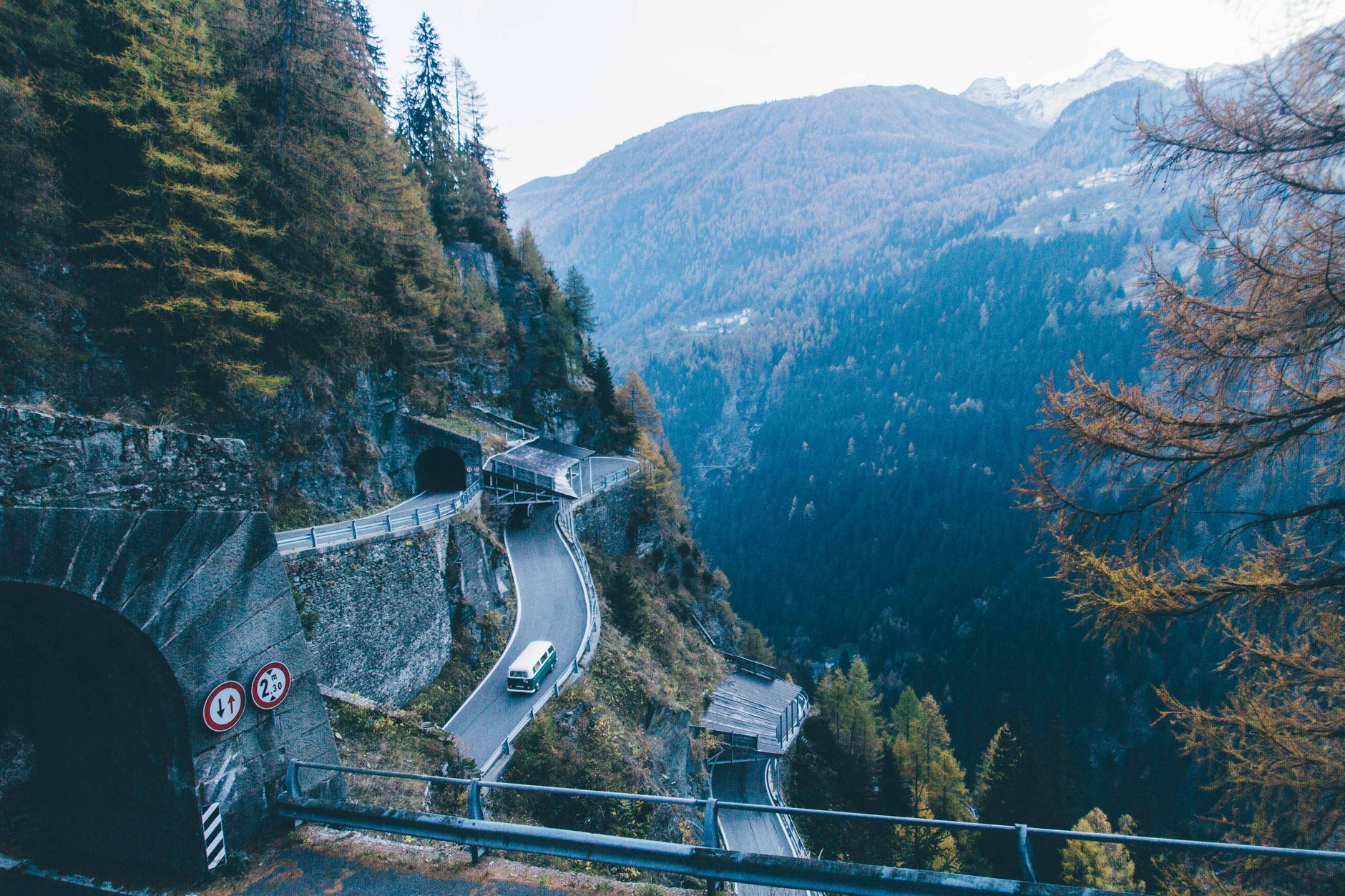
- Rent a car only if you’re comfortable with single-lane tunnels. Many mountain roads are one-lane with passing bays, and the rule is that the car going uphill has right of way. Norwegians drive these at speed. If that sounds stressful, the train and Hurtigruten coastal ferry network covers most of what you want.
- Pack for four seasons in one day. Even in July, mountain weather flips from 20°C sunshine to 4°C sleet within an hour. A proper waterproof shell beats an umbrella every time.
- Learn the word “koselig.” It’s the Norwegian cousin of Danish hygge — candles, wool blankets, coffee, quiet contentment. Locals will warm to you instantly if you appreciate it out loud.
Practical Info
Getting around. Trains (Vy) connect Oslo, Bergen, Trondheim, and Bodø efficiently. Beyond Bodø, you’re into ferry and flight territory. Widerøe operates the regional network to small northern airports. The Hurtigruten and Havila coastal ships run the full Bergen–Kirkenes route in 11 days and act as a working ferry for locals — you can book short hops between ports rather than the whole voyage.
Best time to visit. June to August for midnight sun and hiking. Late September and February/March for aurora. May and October are shoulder-season bargains with unpredictable weather. Avoid late June if you hate crowds — that’s when Norwegians take their own holidays and cabin prices spike.
Budget. Assume 1,500–2,000 NOK per person per day for a mid-range trip, roughly $140–190. Hostels run 400–600 NOK a night, hotel rooms 1,200–2,000. Restaurant mains start around 250 NOK. The single biggest money-saver is self-catering: supermarket food is expensive but not insane, and cooking your own dinner cuts daily costs by half.
Safety. Norway is extraordinarily safe — violent crime is rare, and you can walk city streets at 3 a.m. without a thought. The real risks are environmental: cold water, exposed mountain trails, and weather that turns fast. Tell someone your route before any hike, and check varsom.no for avalanche and landslide warnings.
A Surprising Fact
Norway has more than 1,000 fjords, but it also has a serious problem with its most famous one. The Geirangerfjord receives over 600,000 cruise passengers in a normal summer, and the village of Geiranger has fewer than 250 permanent residents. The local government has actively discussed limiting cruise traffic because the infrastructure simply can’t cope with the volume. Here’s the counter-intuitive part: the most photographed fjord in the world is arguably the worst one to visit. Go to Nærøyfjord, or better yet, Hjørundfjord, and you’ll have the same geology with a fraction of the crowds.
Norway rewards the traveller who slows down and accepts that you can’t see it all. Pick one region, give it real time, and let the weather decide your days rather than your itinerary. Book the trains early, buy your wine on a Thursday, and always keep a rain jacket within arm’s reach. Then start planning. The midnight sun isn’t going to wait for you — when are you going?