Nine islands scattered across 600 kilometres of the North Atlantic. Each one green enough to hurt your eyes, quiet enough to hear your own heartbeat. The Azores aren’t a single destination — they’re nine distinct worlds, from São Miguel’s steaming calderas to Flores’ near-empty trails. I’ve been coming here for over a decade, and I still haven’t scratched the surface. What keeps pulling me back isn’t the postcard scenery, though that helps. It’s the pace. Island time here runs on dairy cows and tidal schedules, not notifications. If you’ve been looking for a corner of Europe that still feels genuinely remote, this is it.
Overview
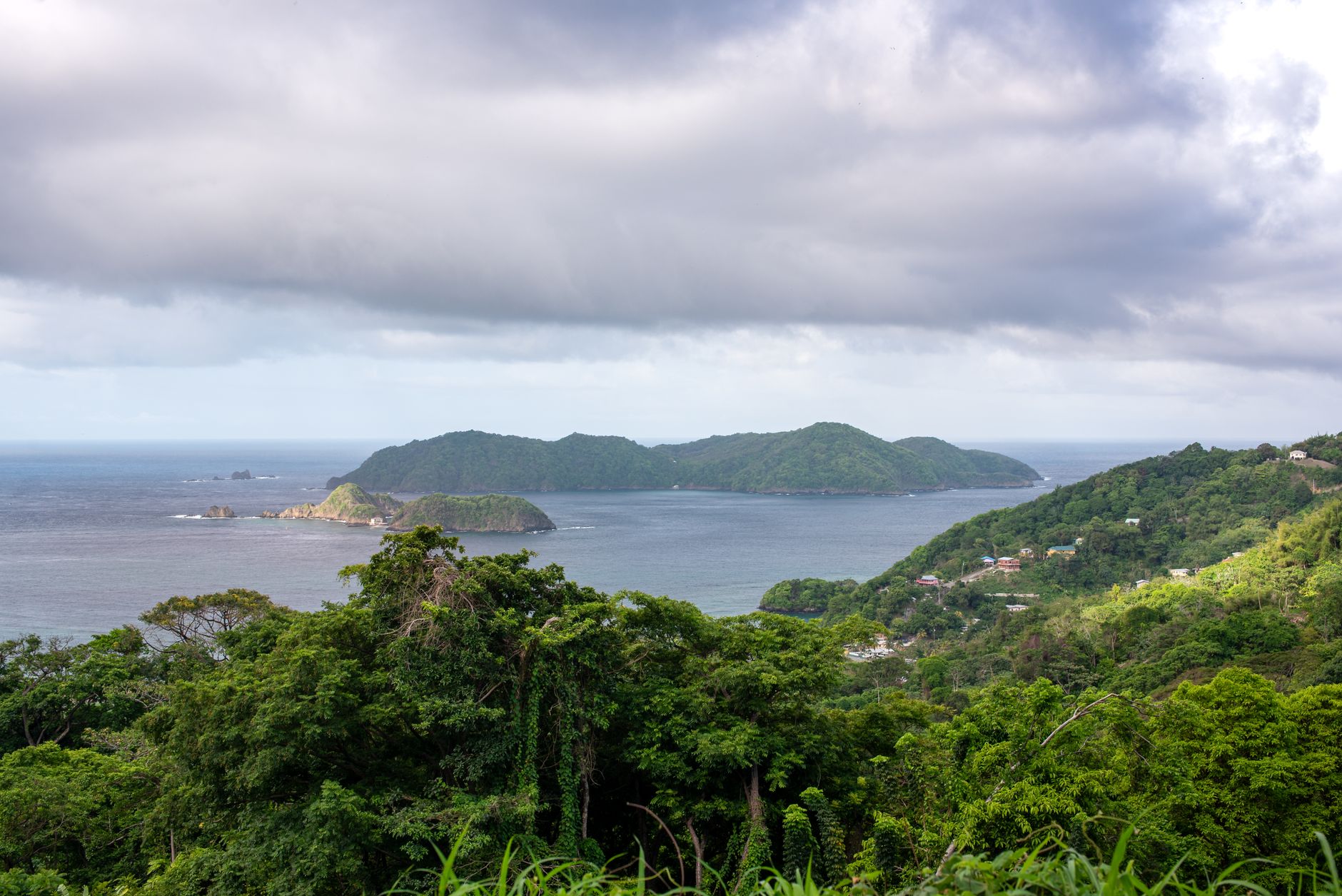
Picture Portugal, then throw it 1,500 kilometres west into the Atlantic. That’s the Azores — an autonomous region where volcanic peaks rise straight from the ocean, hydrangea hedges line every road, and the population across all nine islands barely tops 245,000. São Miguel carries half of them; Corvo, the smallest, has around 400 residents and one main street. Three groups make up the archipelago — Eastern (São Miguel, Santa Maria), Central (Terceira, Graciosa, São Jorge, Pico, Faial), and Western (Flores, Corvo) — and hopping between them by plane or ferry is half the adventure.
Variety surprises first-timers most. Terceira is UNESCO-listed and full of history. Pico has Portugal’s highest mountain and a wine culture carved into black basalt. Faial’s marina is a crossroads for transatlantic sailors. São Jorge produces some of the best cheese in the country. You could spend two weeks here and feel like you’ve visited several different countries — all of them green, all of them damp, all of them gloriously unhurried.

Top 3 Attractions
1. Sete Cidades, São Miguel. Two lakes — one emerald, one sapphire — sitting inside a collapsed volcanic crater roughly 12 kilometres around. The postcard shot from Miradouro da Boca do Inferno is worth the muddy hike, but the real move is renting a bike and circling the crater rim on the road that connects the viewpoints. Go early. By 10am the tour buses arrive and the mist, which is genuinely part of the drama, gets replaced by selfie sticks. If you can, stay overnight in the village itself — the crater at sunrise, with no one else around, is one of those travel moments you’ll describe badly to friends for years.
2. Algar do Carvão, Terceira. This is a volcanic chimney you can actually walk into — 100 metres down into a cathedral-sized lava tube with a rainwater lake at the bottom. The stalactites here are silica, not limestone, which gives them a glassy, almost alien look. It’s only open certain hours (check locally, roughly 2:30pm–5pm most days), and it’s genuinely cool and drippy inside, so bring a layer. Angra do Heroísmo, the island’s UNESCO World Heritage capital, is 20 minutes away and worth a full afternoon on its own.
3. Mount Pico summit, Pico. At 2,351 metres, this is the highest point in Portugal — and you climb it from sea level. It’s not technical, but it’s relentless: loose volcanic scree, steep switchbacks, and weather that changes every 20 minutes. You need a licensed guide (mandatory since 2019), and you need to be honest about your fitness. The reward is standing above the clouds with four islands visible on a clear day. Most people take 5–7 hours round trip. Start before dawn to beat the afternoon cloud build-up.
Insider Tips
- Rent a car on São Miguel, Terceira, and Pico. Buses exist but run infrequently and rarely reach the trailheads or viewpoints you actually want. Book ahead in July and August — supply is limited.
- Weather forecasts are suggestions, not promises. The Azores have their own microclimates. A rainy forecast in Ponta Delgada means nothing for Sete Cidades 25 minutes away. Pack layers, bring a proper rain shell, and just go.
- Eat at tascas, not hotel restaurants. Look for the daily prato do dia — usually €8–12 for a full plate of fish, rice, and salad. The cozido das Furnas, cooked underground by volcanic steam, is worth doing once, but the fresh grilled limpets and tuna steaks are what I dream about.
- Book inter-island ferries early in summer. Atlanticoline runs the routes, and the Faial–Pico crossing takes just 30 minutes. But schedules thin out in shoulder season and cancel in rough weather — always have a buffer day before your flight home.
- Learn five words of Portuguese. “Bom dia,” “obrigado,” “por favor” — that’s it. It’s not required, but the warmth you get back is noticeably different. The Azoreans are proud of their islands and genuinely pleased when you show interest.
Practical Info
Getting there: Direct flights from Lisbon and Porto to Ponta Delgada (São Miguel) and Terceira run daily, roughly 2.5 hours. From North America, there are seasonal direct routes from Boston, New York, and Toronto. SATA Azores Airlines and Ryanair both serve the islands; book early for summer.
Getting around: Inter-island flights on SATA are the fastest option — 30–60 minutes between most islands. Ferries connect the Central group (Faial, Pico, São Jorge) year-round and reach the others seasonally. On-island, rent a car. Taxis exist but get expensive fast.
Best time to visit: June through September for the driest, warmest weather and the hydrangeas in full bloom. May and October are quieter and cheaper, with more rain but fewer crowds. Winter is mild (rarely below 12°C) but wet and windy — good for storm-watching, not hiking.
Budget: Mid-range travellers should budget €120–180 per day, including car rental, accommodation, meals, and activities. Budget travellers can manage €70–90 by staying in hostels, using buses, and eating at tascas. The islands aren’t cheap, but they’re far from Iceland-expensive.
Safety: The Azores are remarkably safe — violent crime is essentially non-existent. The real risks are natural: slippery volcanic trails, sudden weather changes, and ocean currents. Hike with proper footwear, tell someone your plans, and respect the sea. There are no venomous snakes or dangerous animals on land.
A Surprising Fact
The Azores sit on the Mid-Atlantic Ridge, where the Eurasian, North American, and African tectonic plates meet — which means the islands are literally still being born. Volcanic activity continues: the last major eruption was in 1957–58 off Faial, which added new land to the island and forced the evacuation of a village. But here’s the counter-intuitive part: despite all that geological drama, the Azores have been one of Europe’s most stable and peaceful places for centuries. They served as a neutral refuelling point for both Allied and Axis ships during World War II, and today they’re a designated whale sanctuary. The same forces that could destroy these islands are the ones that made them — and the Azoreans have learned to live with that bargain.
So here’s my question for you: when was the last time you stood somewhere and felt genuinely small, in the best possible way? The Azores deliver that feeling on repeat. Pick two islands — São Miguel and Pico, or Terceira and Faial — give yourself ten days, and let the Atlantic set the schedule. Book your flights now, pack for four seasons in one bag, and leave room in your itinerary for the days when the weather decides for you. Those turn out to be the best ones.