Japan might be the single best country on Earth for travelling alone. I’ve done it four times now — once for six weeks straight — and every trip I meet people who arrived nervous about the solitude and left wondering why they ever worried. The infrastructure is obsessive-compulsive in the best way. Trains run to the second. Convenience stores sell genuinely good food at 2am. Nobody looks at you twice when you eat ramen by yourself at a counter, because half the room is doing exactly the same thing. If you’ve been circling the idea of a solo trip and can’t decide where, Japan removes almost every excuse you’d invent.
Overview
Japan rewards the solo traveller in ways group travel can’t replicate. You set the pace. Want to spend three hours in a single Kyoto temple garden, then abandon the rest of your itinerary for a random kissaten coffee? Nobody’s tapping their foot. The country’s social rhythm actually suits being alone — counter seating is everywhere, from yakitori bars to standing sushi spots, and solo dining carries zero stigma. Some of my best conversations with strangers happened in tiny izakaya in Osaka and Kanazawa, usually after a chef slid me something I didn’t order and gestured at it with a grin.
The geography helps too. Japan compresses wildly different experiences into a train ride: neon Tokyo, alpine Nagano, subtropical Okinawa, the snow-country of Tohoku. You can string together a trip that swings from hyper-urban to deeply rural in a single week. English signage is widespread in cities, patchier in the countryside, which is precisely where the good stuff hides. Learn twenty words of Japanese and you’ll unlock doors that stay shut for people who don’t bother.
Top 3 Attractions
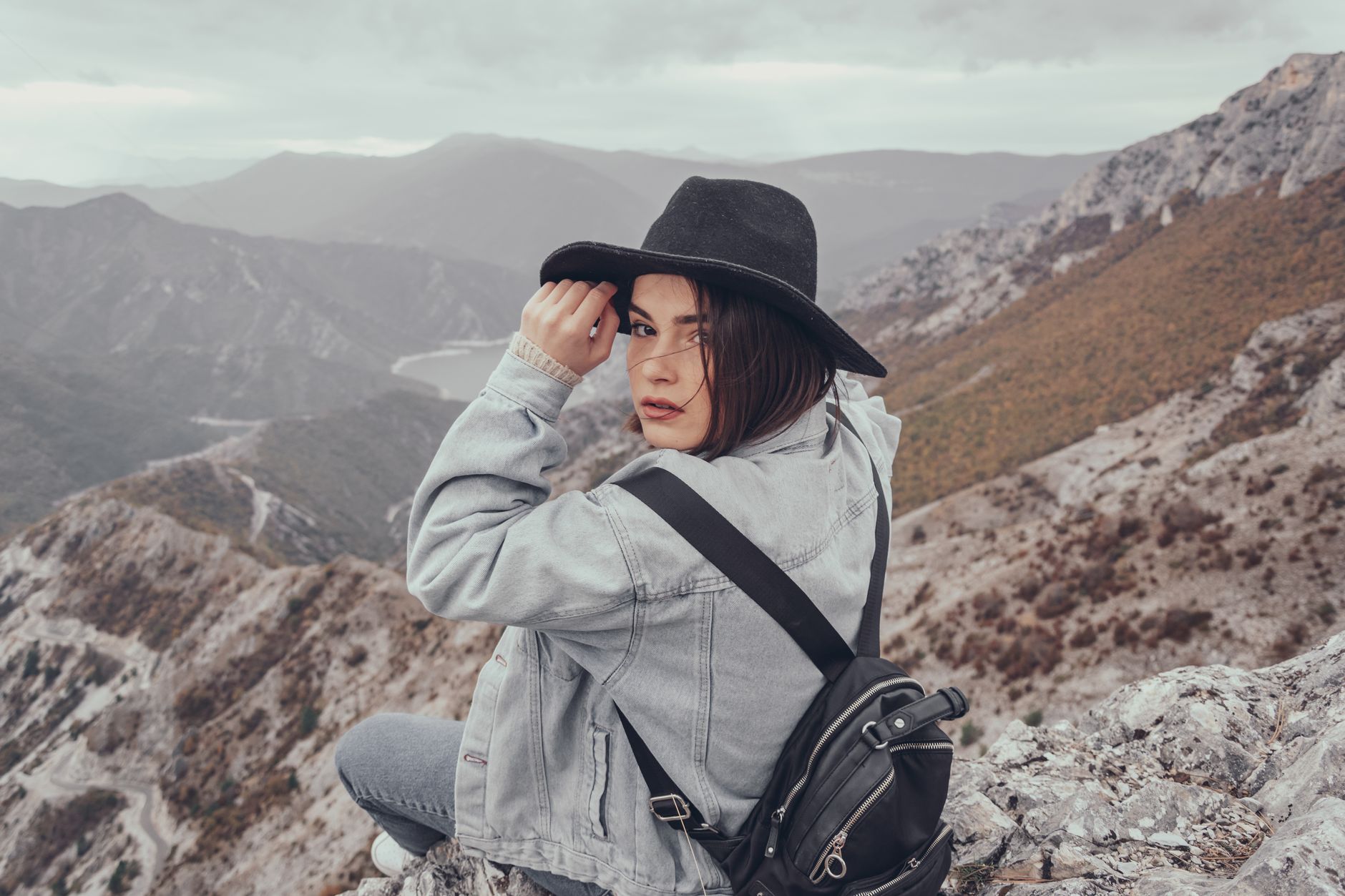
1. The Nakasendo Way, specifically the Magome–Tsumago section. This is a preserved Edo-era postal road winding through the Kiso Valley, and the 8km walk between the two towns takes most people three to four hours at a relaxed pace. You pass stone-paved stretches, cedar forest, and the occasional bear bell tied to a post (yes, they’re serious — bring your own). Magome is a steep, photogenic slope of wooden inns and waterwheels; Tsumago is quieter and feels genuinely lived-in. Stay overnight in a minshuku in one of them, eat dinner with the family, and you’ll understand why I keep coming back. Forward your luggage to the next town and walk with just a daypack. Solo hikers do this constantly, and the trail is easy to follow.
2. Naoshima and the Benesse Art Site. Take the ferry from Uno or Takamatsu to this small island in the Seto Inland Sea and you’ll find contemporary art installations scattered across rice fields, hillsides, and repurposed buildings. The Chichu Art Museum is built almost entirely underground and lit only by natural light — the Monet room alone justifies the trip. Yayoi Kusama’s yellow pumpkin sits on a pier like it’s been there forever. Because the island is small and the art sites are spread out, solo travellers move faster here; rent a bicycle at the ferry terminal and you’ll cover everything in a day. Book the Chichu timed entry in advance. It sells out.
3. Fushimi Inari-taisha at dawn. Everyone knows the thousand vermilion torii gates. Almost nobody sees them properly, because they arrive at 10am when the lower paths are a slow-moving queue of selfie sticks. Go at 6am. The mountain is yours. Climb past the Yotsutsuji intersection and the crowds thin to almost nothing, and you’ll find small shrines, stone foxes, and forest silence that feels a world away from Kyoto’s tourist crush. The full loop to the summit takes about two hours. Bring water. Watch for the occasional wild boar, which are real and not interested in you.
Insider Tips
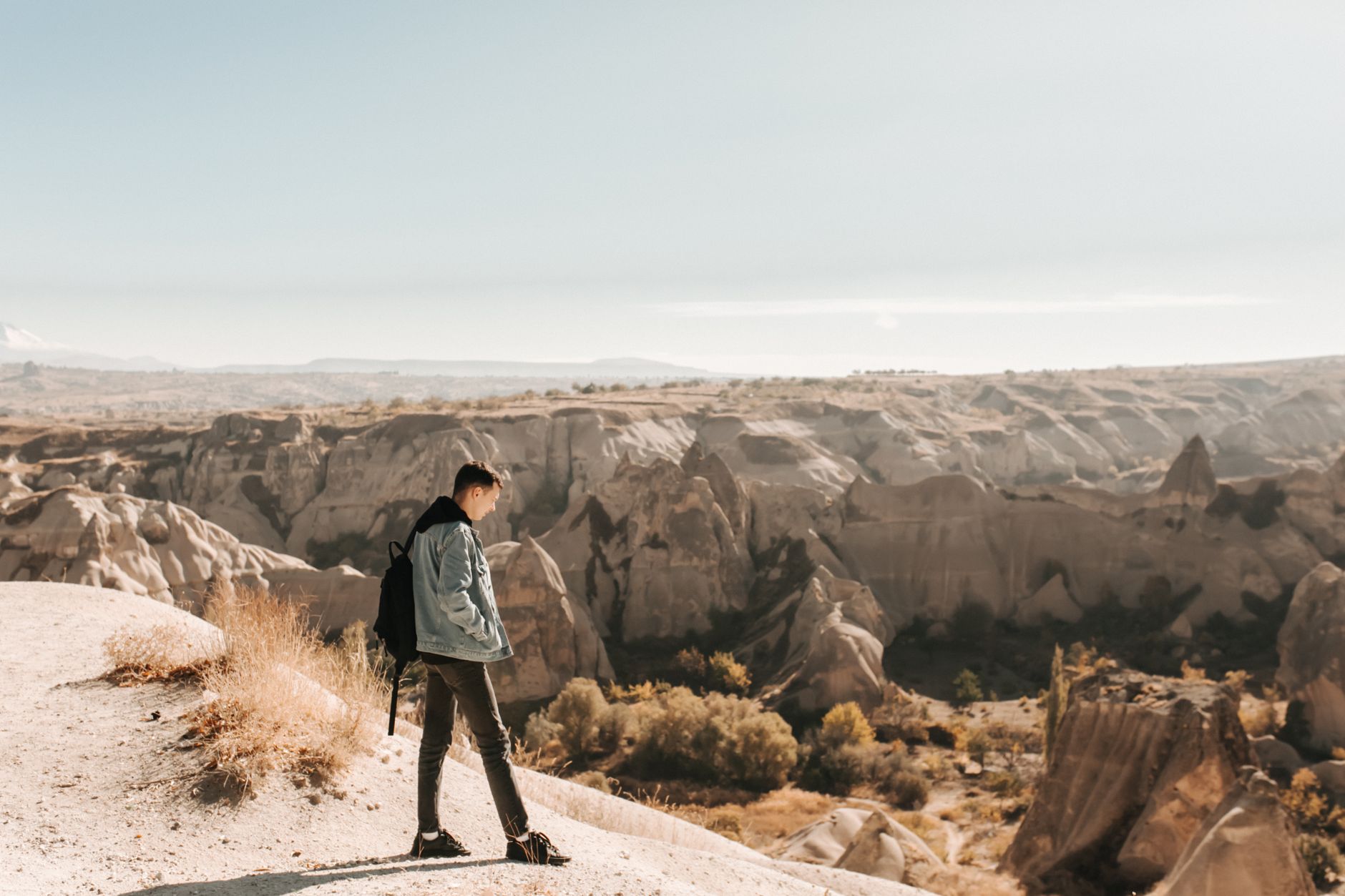
- Get an IC card the moment you land. Suica or ICOCA works on trains, buses, vending machines, and convenience stores across most of the country. Charge it and tap. It’ll save you more time than any other single thing you do.
- Eat at the counter, not at a table. Solo diners get faster service, better seats, and more chef interaction. Standing soba bars and yakitori counters are goldmines for meeting locals.
- Book the JR Pass before you arrive. The price rose sharply in 2023, so it’s no longer a no-brainer — do the maths against your actual route. For a Tokyo–Kyoto–Hiroshima swing it still wins; for a Tokyo-only trip it doesn’t.
- Learn “sumimasen” and “daijōbu desu.” The first gets attention, the second politely declines. Together they handle 80% of solo-traveler social situations.
- Stay in a mix of hostels and business hotels. Hostels give you instant company; business hotels (Toyoko Inn, APA, Dormy Inn) give you privacy, a private bath, and often an onsen for under ¥10,000. Alternate.
Practical Info
Transport. The rail network is the backbone. Shinkansen between major cities, local lines everywhere else, and night buses for the budget-conscious (Willers and JR Bus are reliable; the seats are cramped but the savings are real). Rent a car only if you’re heading deep into rural areas like Shikoku’s interior or Hokkaido — otherwise the trains and buses cover it. Google Maps transit directions are accurate to the minute, which still amazes me.
Best time to visit. Late March to mid-April for cherry blossom, but expect crowds and inflated prices. My pick is late October to mid-November — crisp air, autumn colour, thinner crowds. Avoid Golden Week (late April to early May), Obon (mid-August), and New Year, when domestic travel swamps everything. Summer is brutally humid; winter is magical in the north and mild in Kyushu.
Budget. A comfortable solo trip runs ¥12,000–20,000 per day ($80–135), covering hostel or budget hotel, three meals, transport, and one paid attraction. You can do it for ¥8,000 if you eat konbini food and skip the booze. You can also spend ¥50,000 a day without trying. Cash still matters — carry ¥20,000 in reserve because plenty of small restaurants and rural shops don’t take cards.
Safety. Japan is one of the safest countries you’ll ever travel in. Violent crime against tourists is vanishingly rare, lost wallets routinely come back with the cash intact, and walking alone at night in cities feels fine. The real risks are mundane: earthquakes (know your hotel’s evacuation route), summer heatstroke, and the occasional sketchy late-night neighborhood in Osaka or Tokyo’s Kabukicho. Use normal caution and you’ll be fine. Solo women report Japan as one of the easier countries to travel in, though groping on packed trains is a documented problem — use the women-only carriages during rush hour if it helps you relax.
A Surprising Fact
Japan has more than 5 million abandoned houses — akiya — scattered across the countryside, the result of rural depopulation and an inheritance tax system that makes it cheaper to let a property rot than to sell it. Some municipalities now give these houses away for free, or for the cost of renovation, to anyone willing to move in and fix them up. You’ll see them on any train ride out of the cities: faded wooden homes with overgrown gardens, sitting empty for decades. It’s a strange and slightly haunting counterpoint to the country’s image of hyper-efficiency. If you’ve ever fantasised about a different life, the paperwork is apparently not that bad.
So — what’s actually stopping you? Japan is one of those rare destinations where solo travel isn’t a compromise but an upgrade. You move at your own speed, you notice more, and you end up in conversations you’d never have in a group. Book a flight, grab an IC card at the airport, and give yourself at least ten days. Start in Tokyo, end somewhere quiet, and let the country do the rest. You’ll come home with a notebook full of small moments and a serious case of the return-trip itch.