Most people get the Alps wrong. They book Chamonix or Zermatt, ride a cable car, and leave thinking they’ve seen the range. They haven’t. The Alps are a patchwork of valleys, each with its own dialect, cheese, and stubborn sense of identity — and the best towns sit slightly off the postcard circuit. Twelve years of wandering these passes on foot, by rattling narrow-gauge train, and occasionally by a farmer’s tractor when the bus didn’t show have taught me where to look. What follows is a guide to the towns that reward the extra effort: real places with working bakeries, affordable beds, and trailheads that don’t require a reservation. If you want the Alps as they actually live, start here.
Overview
The Alps stretch across eight countries. The towns worth your time share a few traits. They sit at a genuine crossroads — a pass, a rail junction, a valley mouth — which means outsiders have always passed through and nobody grew too precious about it. They have a working economy beyond tourism: dairy, timber, a hydroelectric plant humming somewhere up the valley. And crucially, they have a shoulder season, that quiet stretch of mud and mist in late spring and autumn when the crowds vanish and prices drop by half.
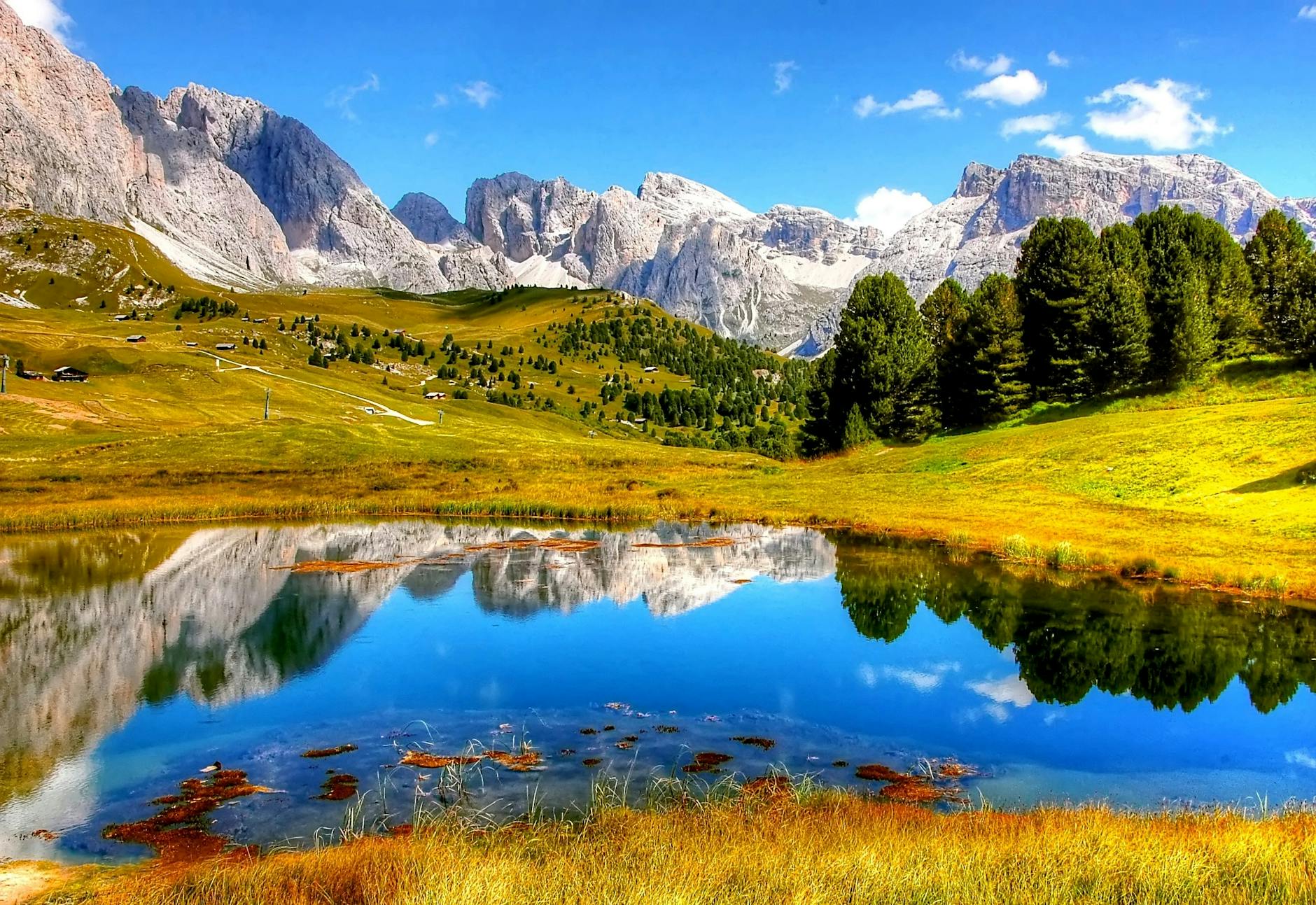
Three towns, then, representing three different Alpine experiences: one French, one Italian, one Austrian. Each is small enough to walk end to end in twenty minutes. Each has a mountain locals actually climb. And each, if you time it right, will cost you less than a night in a big-name resort.
Top 3 Attractions
1. Barcelonnette’s Mexican connection (French Alps). This unassuming town in the Ubaye Valley has an odd history. In the 19th century, thousands of its residents emigrated to Mexico, made fortunes in textiles, and sent money home. The result is a cluster of garish, candy-colored villas — Moorish arches, striped facades, tiled roofs — sitting incongruously beneath Alpine peaks. The Musée de la Vallée tells the story well, and the villas themselves are scattered along Avenue de la Libération. I wandered past a pink-and-yellow mansion with a cactus garden and had to check my map twice.
2. The Sass de Stria tunnels (Italian Dolomites, near Cortina). Cortina itself is expensive and crowded. Twenty minutes away, above the Falzarego Pass, is a mountain riddled with World War I tunnels. You can walk through them — dark, cold, dripping — with headlamp and helmet, emerging at gun emplacements cut into the rock face. It’s not a museum. It’s the actual war, preserved in stone. Go early; the guided tours fill up, and the unguided route requires a head for heights and a decent torch.
3. The Zillertal’s narrow-gauge railway (Austrian Tyrol). The Zillertalbahn runs from Jenbach up the valley to Mayrhofen, and it’s the sort of train that makes you put your book down. Steam locomotives run on selected summer weekends, but even the diesel service is a joy — wooden benches, windows that open, views of terraced meadows and a glacier at the valley’s head. Get off at Zell am Ziller and walk twenty minutes to the Gauderfest meadow, where a 500-year-old spring festival still draws thousands in traditional dress each May.
Insider Tips
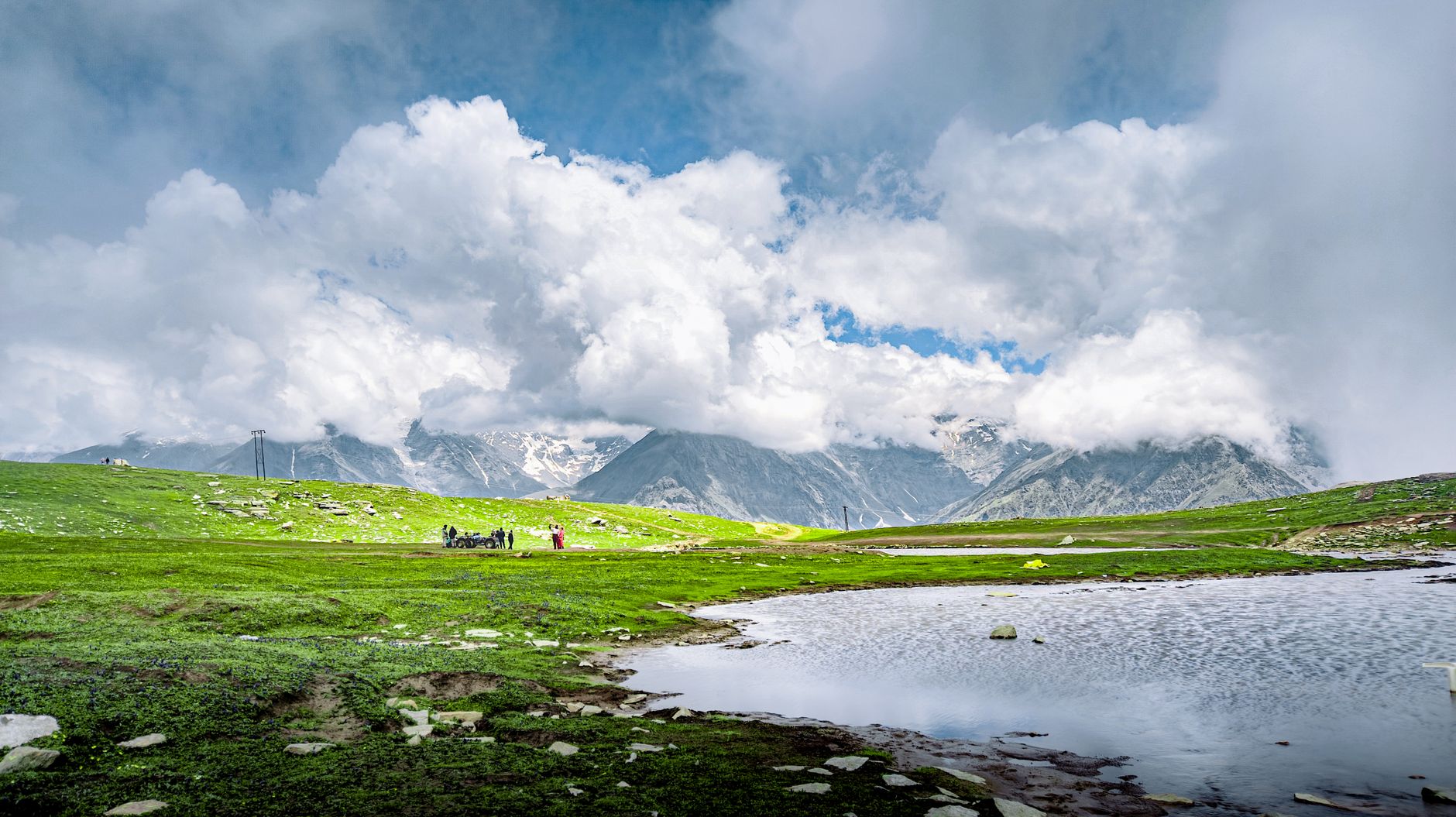
- Book the shoulder weeks, not the shoulder months. Late June and mid-September are the sweet spots — trails are open, huts are staffed, but the summer families haven’t arrived or have just left. Prices in Barcelonnette drop by 40% the week after the French school holidays end.
- Eat where the menu is handwritten and only in one language. If there’s an English translation, you’re paying a surcharge for it. In the Zillertal, look for “Brettljause” — a wooden board of speck, cheese, and bread — served in a mountain hut for under €12.
- Buy the local guest card, but only if you’ll use the lifts. Many towns issue a free or discounted card with your accommodation tax. In Cortina, the card covers buses but not cable cars; in Mayrhofen, it covers both. Do the maths before you commit.
- Carry cash for the huts. Many Alpine refuges still don’t take cards, and the nearest ATM can be an hour’s walk down. Twenty euros in small notes will cover a bowl of barley soup, a beer, and a slice of strudel.
- Learn five words of the local language. Not French or German or Italian — the local dialect. In the Ubaye, “bonjour” gets you a nod; “adieu” (used as a greeting here) gets you a conversation. Locals notice the effort.
Practical Info
Getting there. Barcelonnette is reached by bus from Nice (3 hours) or Gap (1.5 hours); there’s no train station, which is exactly why it stays quiet. Cortina has buses from Venice (2.5 hours) and Dobbiaco, which connects to the Austrian rail network. Mayrhofen is on the Zillertalbahn, with connections from Innsbruck via Jenbach (about 1.5 hours total).
Best time to visit. For hiking: mid-June to early July, and September. For snow: late January to early March, avoiding the February half-term crush. Avoid August entirely unless you love queueing for a cable car with two hundred strangers.
Budget. A double room in a family-run guesthouse runs €70–110 in shoulder season, €130–200 in peak. Dinner in a local restaurant: €18–28. A day’s lift pass: €45–60, though many towns offer half-day rates after 1pm. Budget €90–120 per person per day for a comfortable mid-range trip.
Safety. Mountain weather turns fast. A sunny morning can become a hailstorm by 2pm. Carry a shell jacket, a map, and water even on short walks. Tell someone your route. The Alpine rescue services are excellent, but they’d rather not have to find you.
A Surprising Fact
Here’s the counter-intuitive bit: the Alps are getting taller. Not by much — a millimeter or two a year — but the African plate is still pushing north into Europe, and the range is rising faster than erosion can wear it down. The mountains you climb this summer are not the same ones your grandparents climbed. The landscape is a work in progress, which is a strangely comforting thought when you’re puffing up a switchback, convinced you’re standing still.
So skip the famous resorts. Take the slow bus, the rattling train, the unmarked trail. Order the Brettljause. Ask the baker where the good path starts. The Alps don’t reveal themselves to people in a hurry — and that’s precisely the point. Go in the quiet weeks, stay a day longer than you planned, and let a valley you’d never heard of become the one you can’t stop talking about. The mountains will still be growing when you come back.