Most visitors treat Paris as a destination in itself. Fair enough — the city rewards a lifetime of wandering. But the real magic starts when you board a train at Gare du Nord or Gare de Lyon and forty minutes later you’re standing somewhere that feels like a different country entirely. The Île-de-France region is criminally underrated, and the day-trip options radiating out from the capital are some of the best in Europe. You don’t need a car. You don’t need to book months ahead. You just need a Navigo card, comfortable shoes, and the willingness to leave the Périphérique behind.
Overview
Day trips from Paris fall into a handful of distinct categories: royal palaces, medieval villages, artistic retreats, and wine country. The train network — SNCF’s Transilien lines plus the regional TER services — makes almost all of them accessible in under ninety minutes. Fares range from a few euros on a Navigo-covered zone to around €35 return for farther afield spots like Reims or Rouen.
The trick is matching the trip to your energy level. Some destinations reward a full day of walking and exploration. Others are best treated as a slow half-day: a château, a long lunch, a train home before rush hour. The worst mistake you can make is trying to cram three stops into one day. Pick one place, go deep, and leave something for next time. Paris isn’t going anywhere.
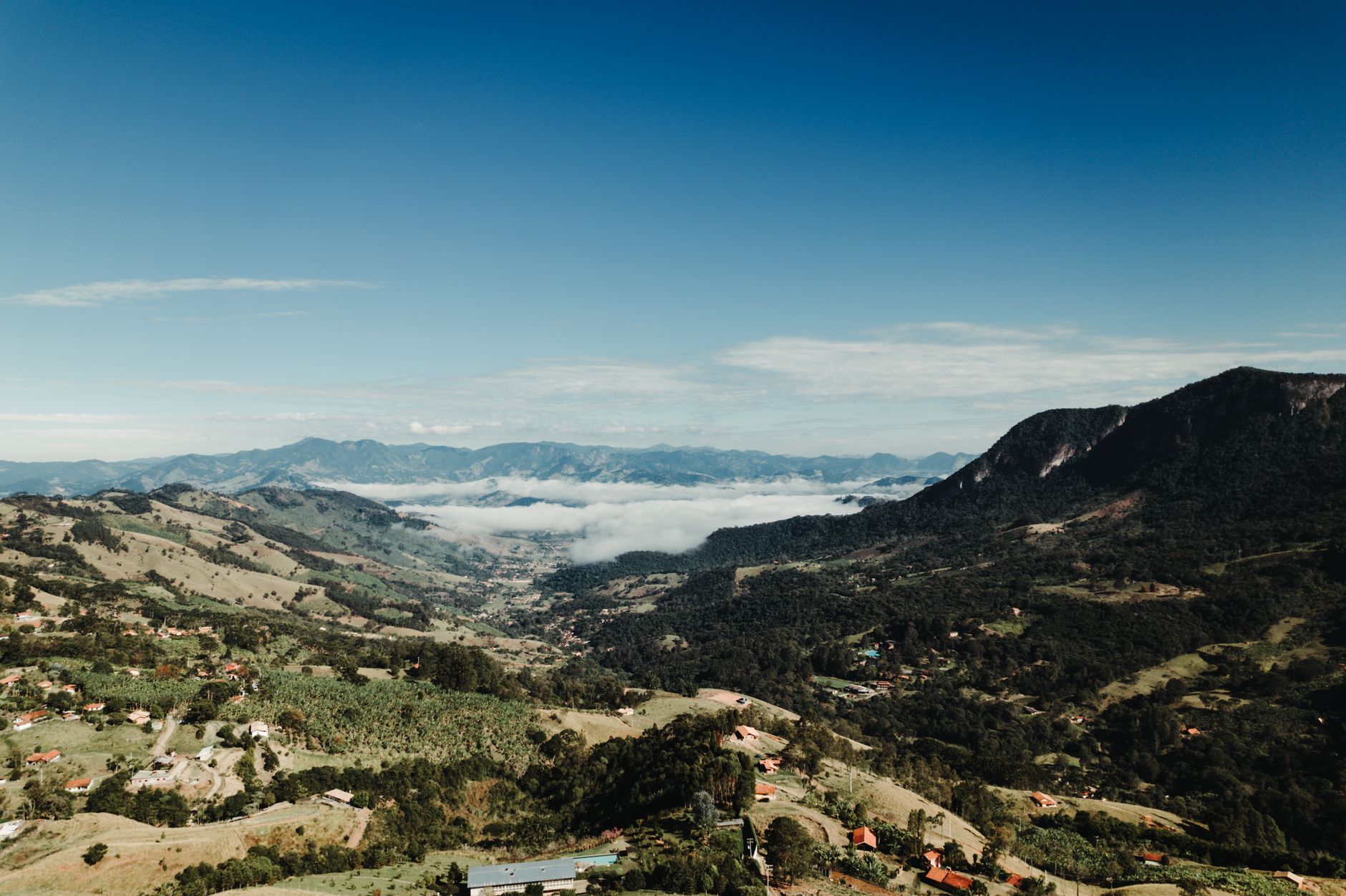
Top 3 Attractions
Palace of Versailles — Yes, it’s the obvious choice, and yes, it’s crowded. But Versailles remains the single most impressive day trip in the region, and most visitors do it wrong. Skip the morning rush. Arrive around 2pm, when tour groups are leaving, and head straight for the Trianon palaces and the Queen’s Hamlet — Marie Antoinette’s rustic fantasy village — before circling back to the main château in the final hour before closing. The gardens alone cover 800 hectares. Rent a bike or a small electric cart; you’ll cover three times the ground. Book timed entry online, and note that the Musical Fountain Shows run on weekends from April to October.
Giverny and Monet’s Garden — Claude Monet spent the last forty-three years of his life here, and the garden he designed is essentially a living painting. The famous Japanese bridge and water lily pond are exactly as they appear in the canvases, which sounds like a cliché until you’re standing there at 9:30am with mist still on the water. The house itself is charming but secondary. Go early. By 11am, the narrow paths around the pond become a slow-moving queue. The train from Gare Saint-Lazare to Vernon takes 45 minutes, then a shuttle bus connects to the village. Open April through November only.
Reims Champagne Cellars — This is the day trip for anyone who thinks they don’t like Champagne. The city itself is handsome — the Gothic cathedral where French kings were crowned is worth an hour — but the real draw is underground. Miles of chalk caves run beneath Reims, and houses like Taittinger, Pommery, and Veuve Clicquot offer tours that end with tastings of vintages you’ll never find at home. The TGV from Gare de l’Est takes just 45 minutes. Book cellar tours in advance; the popular ones sell out days ahead, especially on weekends.
Insider Tips
Buy a Navigo Easy card at any metro station and load it with a day pass for zones 1–5 if you’re heading to Versailles or Disneyland Paris. It’s dramatically cheaper than a point-to-point ticket and covers the RER. For destinations beyond the Île-de-France — Reims, Rouen, Chartres — book SNCF tickets online at least a week ahead. Prices on the same train can triple as departure approaches.
Tuesday is the sweet spot for Versailles. The palace is closed on Mondays, which pushes everyone to Tuesday, but the crowds still thin compared to weekends. If you can only go on a weekend, go Sunday afternoon, not Saturday morning.
Pack a picnic. Every destination on this list has a market or a boulangerie where you can assemble lunch for under €10. Eating at a sit-down restaurant near a major attraction means paying triple for mediocre food. The French have perfected the art of the good picnic; join them.
Don’t overlook the smaller, less famous options. Auvers-sur-Oise, where Van Gogh spent his final months, is a 30-minute train ride and almost empty on weekdays. Chantilly has a château, a racecourse, and the second-largest collection of paintings in France after the Louvre — and it’s rarely crowded. Sometimes the second-tier destinations deliver the best days.
- Book SNCF tickets at least a week ahead for the best fares; last-minute prices skyrocket.
- Use a Navigo Easy card for Île-de-France destinations — it’s cheaper than individual tickets.
- Arrive at major attractions after 2pm or right at opening to dodge tour groups.
- Pack a picnic lunch from a local market or boulangerie to save money and eat better.
- Consider weekday visits to smaller destinations like Auvers-sur-Oise or Chantilly for near-empty experiences.
Practical Info
Transport: The SNCF Connect app is your best friend. It shows real-time schedules, lets you book tickets, and stores them digitally. For Île-de-France destinations, the RER and Transilien lines run frequently — every 15 to 30 minutes depending on the line. For farther destinations like Reims or Rouen, TGV and TER services are fast and reliable. Driving is almost never worth it; parking is expensive and traffic on the A13 or A6 can turn a 45-minute trip into two hours.
Best time to visit: Late April through June, and September through early October. July and August are hot, crowded, and expensive. Winter has its charms — fewer tourists, moody light, and châteaux draped in mist — but some gardens and smaller attractions close. Check opening days carefully; many places shut on Mondays or Tuesdays.
Budget: A realistic day trip costs €30–60 per person including transport, entry fees, and lunch. Versailles runs higher — around €40–50 for transport plus palace and garden entry. Champagne cellar tours range from €25 to €60 depending on the house and tasting. Budget travellers can keep costs under €25 by picnicing and sticking to free attractions like the gardens at Versailles (accessible without a palace ticket on most days).
Safety: The region is very safe. The main risks are pickpockets at major train stations — Gare du Nord and Gare de Lyon especially — and occasional strikes that disrupt train service. Check the SNCF app the morning of your trip; if a strike is planned, have a backup destination on a different line. Keep your bag zipped and in front of you on crowded platforms.
A Surprising Fact
Versailles was never intended to be a permanent royal residence. Louis XIV built it as a hunting lodge, then kept expanding it because he enjoyed the construction process more than the finished product. At its peak, the palace housed around 10,000 people — nobles, servants, soldiers, and hangers-on — all competing for the king’s attention in a bizarre, ritualised social system that revolved around who got to hand him his shirt. The château was essentially a very expensive, very ornate reality TV show that ran for a century. The French Revolution, in retrospect, was almost inevitable.
And here’s the counter-intuitive part: most visitors spend three hours inside the palace and skip the gardens entirely, which is like visiting the Louvre to see the gift shop. The gardens and Trianon estates are where Versailles actually lives and breathes. They’re also far less crowded. Go figure.
So which trip suits you? If you want grandeur, Versailles. If you want beauty and quiet, Giverny. If you want to drink well and learn something, Reims. Or ignore all three and pick a place nobody’s told you about — that’s where the best days usually hide. Book the train, pack a baguette, and go. The suburbs are waiting, and they’re far more interesting than anyone gives them credit for.