Most people book a Mediterranean cruise wrong. They chase the cheapest seven-night loop out of Barcelona, cram five ports into six days, and come home needing a vacation from the vacation. I did exactly that in 2014. I still wince remembering the forty-minute sprint through Mykonos before the gangway closed. Get the planning right, though — the route, the season, the cabin, the shore days — and a Med cruise becomes the smartest way to sample a coastline that would take months to drive. Here’s how to do it properly.
Overview
The Mediterranean isn’t one destination. It’s four or five competing ones stitched onto a single itinerary, and the ship you pick decides which version you get. The western basin — Spain, France, Italy, Malta — leans heavy on art cities and big harbours. The eastern basin — Greece, Turkey, Croatia, Montenegro — trades museums for islands, ruins, and water you actually want to swim in. A third option, the Adriatic, splits the difference: Venice, Dubrovnik, and Kotor all sit within a few hundred nautical miles.
Cruise lines sort themselves into tiers, and that matters more than the ship’s age. Mass-market lines (MSC, Costa, Royal Caribbean) run huge vessels with water parks and 4,000 passengers. Premium lines (Celebrity, Holland America, Princess) sit in the middle. Luxury and small-ship operators (Azamara, Windstar, Silversea) dock where the giants can’t and stay late in port. Your choice shapes everything: how long you get ashore, which towns you even reach, and whether you’ll queue for a tender boat at 8am.
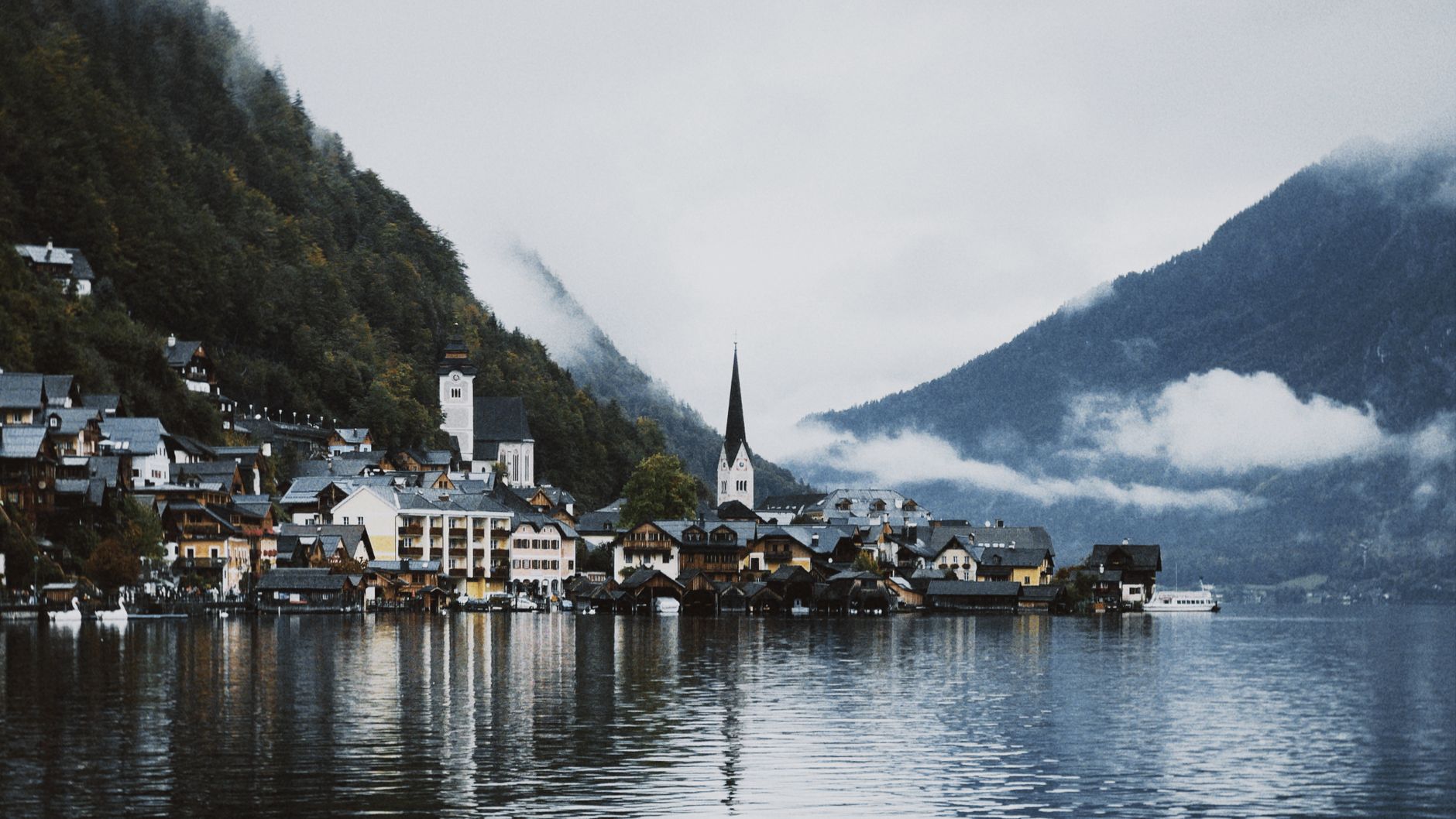
Top 3 Attractions
The Aeolian Islands, off Sicily. Most western Med itineraries skip these entirely. That’s exactly why you should hunt down a sailing that calls at Lipari or Stromboli. Lipari’s pumice beaches and the archaeological park above the harbour reward a half-day on foot. Stromboli is the real prize — an active volcano you can hike at dusk with a licensed guide, watching it spit orange against a dark sky. Small ships and expedition vessels are the only realistic way in.
Dubrovnik’s city walls at opening time. The walls open at 8am and the cruise crowds arrive around 10. Walk the full 1.9-kilometre circuit in that first hour and you’ll have the ramparts nearly to yourself, with the terracotta roofs glowing below and the Adriatic stretching out. By noon it’s a shuffling single file. Buy your ticket online the night before and enter through the Pile Gate.
Ephesus from Kuşadası. The Turkish port of Kuşadası exists almost entirely to serve this archaeological site, and yes, it’s crowded. Go anyway. The Library of Celsus is the postcard, but the terraced houses above it — with their reconstructed frescoes and mosaics — are where you’ll actually feel the Roman city breathe. Book a ship excursion or a private guide; the site is 20 kilometres inland and taxis are unreliable on the return.
Insider Tips
- Book a cabin mid-ship and low. The Med gets choppy, especially the Gulf of Lion between Barcelona and Marseille. A lower deck near the centre of gravity cuts motion dramatically.
- Sail in May or late September. July and August bring 38°C heat, packed ports, and school-holiday prices. Shoulder season gives you 25°C days and half the crowds for 30% less.
- Skip the ship’s shuttle when you can walk. In Dubrovnik, Kotor, and Valletta, the terminal is close enough to walk into town. Save the €10 and see more.
- Learn ten words of the local language per port. A ‘kalimera’ in Rhodes or a ‘buongiorno’ in Naples changes how shopkeepers treat you. Small effort, real returns.
- Pack one formal outfit and one set of walking shoes. You’ll use both far more than anything else in your suitcase.
Practical Info
Fly into your embarkation port a day early. Missed flights and delayed luggage are the two most common ways a cruise goes wrong, and a buffer night in Barcelona or Athens costs less than a replacement wardrobe. Most lines let you board from early afternoon; arrive by 2pm to avoid the crush.
Transport within ports is your biggest variable. Big cities like Naples and Palma have metro and bus networks that drop you near the historic centre. Smaller ports like Kotor and Santorini rely on tenders, and Santorini’s cable car queue can eat an hour at peak times — walk the 588 steps down instead if your knees allow.
Best time to visit: May, early June, and September through mid-October. Budget roughly €120–200 per person per day for a mid-range cruise including drinks, excursions, and gratuities. Add €40–80 per port day if you book ship excursions. Independent travel and local guides usually cost less.
Safety is straightforward. Petty theft in tourist areas is the main risk — Barcelona’s Las Ramblas and Naples’ Spaccanapoli are hotspots. Use a cross-body bag, keep phones out of back pockets, and don’t flash cash. Ships are safe; ports at night can be less so. Stick to well-lit areas and you’ll be fine.
A Surprising Fact
The Mediterranean is losing water. Roughly 3,000 cubic kilometres evaporate from its surface every year, and only about a third of that is replaced by rivers and rainfall. The rest flows in from the Atlantic through the Strait of Gibraltar — a constant current that has been refilling the sea for around five million years. So when you’re standing on deck watching the water, you’re looking at a body of water slowly, steadily draining and being topped up from the west.
Ready to stop scrolling and start sailing? Pick your basin, book a shoulder-season week, and give yourself permission to skip one port if the ship’s pool and a cold beer sound better that day. The Mediterranean has been waiting a long time. A week is enough to fall for it.