Iceland in January will try to kill your rental car. Iceland in July will try to empty your wallet and cram every hot spring with a hundred other people who had the same idea. What separates a trip you tolerate from one you talk about for a decade? Timing — and not just the month. Match the season to what you actually want to do, because this island doesn’t offer one “best” window. It offers four wildly different countries wearing the same name.
Overview
Iceland sits just below the Arctic Circle, which sounds like a warning and partly is. The Gulf Stream drags warm water up from the Atlantic, though, keeping the south coast milder than most people expect — Reykjavík averages around 0°C in winter and 11°C in July. The north and the interior highlands are a different story entirely. Daylight matters more than temperature here, and it swings harder than almost anywhere on earth: roughly four hours of grey twilight in late December, close to 21 hours of usable light around the summer solstice.
That single fact reshapes everything. In June you can drive, hike, and photograph until midnight without a headlamp. In December you’re chasing the aurora in near-permanent darkness, which is exactly the point for a lot of travellers. The ring road stays open year-round. The F-roads into the highlands close with the first serious snow, usually by mid-October, and don’t reliably reopen until late June. Pick your season and you pick which Iceland you’re allowed to see.
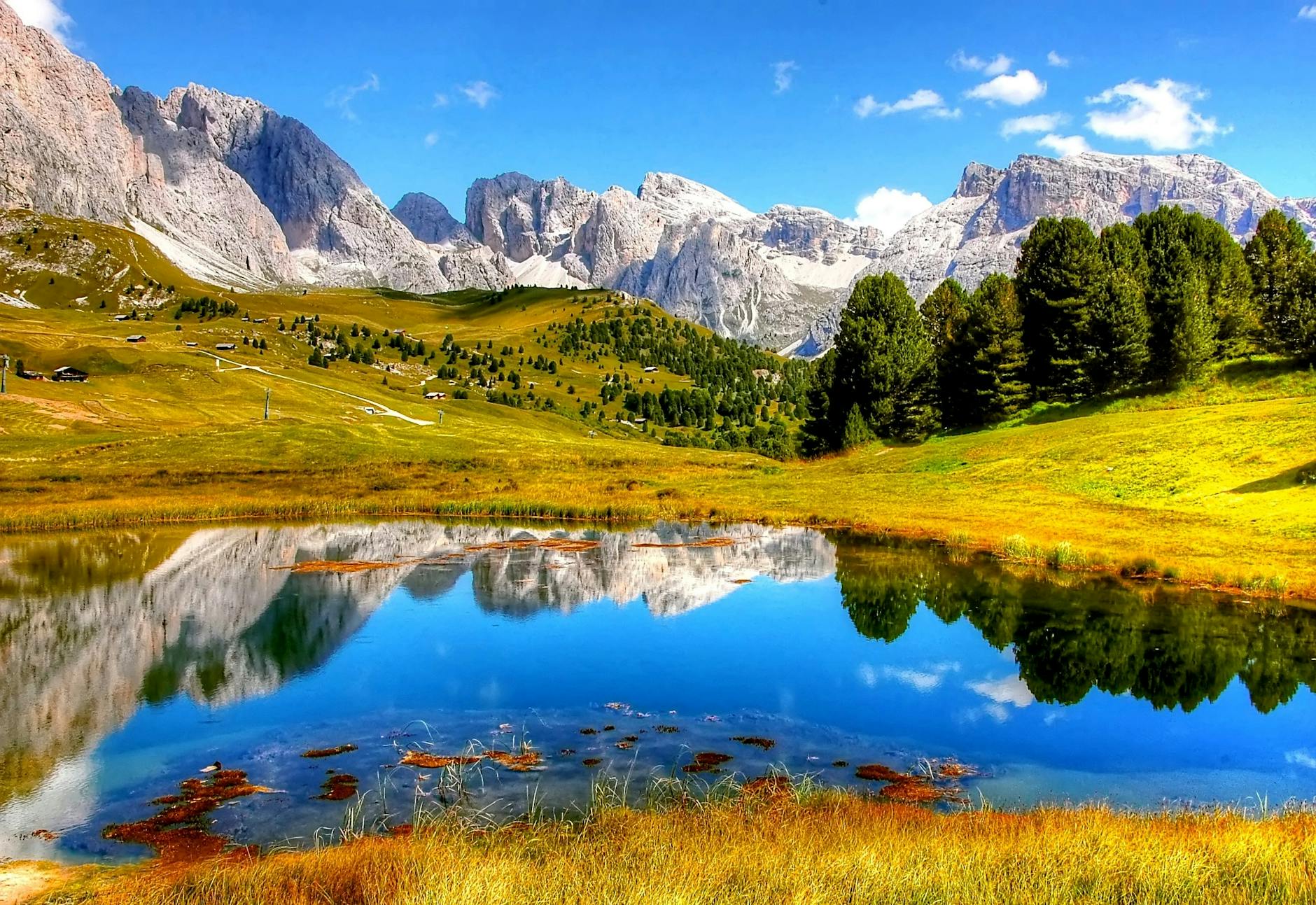
Top 3 Attractions
Jökulsárlón and Diamond Beach (southeast coast, roughly 370km from Reykjavík). Icebergs calve off Breiðamerkurjökull, float across a glacial lagoon, then wash up on the black sand at the mouth. The “diamonds” are chunks of ice stranded on the beach, glowing blue-white against volcanic sand. Come at sunrise in winter for the best light and the smallest crowds — I’ve had the whole beach to myself in February. In summer the lagoon is busy by 9am and the seals are the only ones not jostling for a photo.
Þingvellir National Park (about 45 minutes east of Reykjavík). Here the North American and Eurasian tectonic plates are physically pulling apart, and you can walk down into the rift at Almannagjá. It’s also the site of the world’s oldest surviving parliament, the Alþingi, founded in 930 AD. Go early morning or after 6pm to dodge the tour buses. The Silfra fissure offers snorkelling and diving between the continents in water that’s 2–4°C but filtered through lava for decades, giving you visibility of over 100 metres.
The Westfjords (northwest corner). The most underrated region in the country and, honestly, the reason I keep coming back. Sea cliffs at Látrabjarg drop 440 metres straight into the Atlantic and hold millions of nesting seabirds — puffins, guillemots, razorbills. The roads are narrow, often gravel, and frequently closed by snow from November through April. That difficulty is the filter that keeps the crowds out. If you have five days and a tolerance for white-knuckle driving, skip the Golden Circle entirely and go here.

Insider Tips
- Book the Blue Lagoon for the last slot of the day. The 8pm or 9pm entry in winter means you soak under the aurora with half the people. Same water, better sky.
- Rent a 4×4 in winter, no exceptions. Insurance on Icelandic rentals excludes gravel damage and sandstorms by default. Buy the gravel protection and the sand-and-ash protection — a single storm near Vík can strip a car’s paint in an afternoon.
- Fuel up whenever you see a station. On the ring road’s eastern stretch, gaps between pumps run 100km or more. There’s no phone signal in parts of the highlands either, so download offline maps before you leave.
- Don’t rely on northern lights “forecast apps” alone. Check vedur.is for cloud cover, not just the aurora index. A KP 5 means nothing if it’s overcast in Reykjavík and clear in Akureyri.
- Eat at gas stations. The N1 and Olís grill counters serve the same lamb soup and pylsur as the tourist restaurants at a third of the price. Icelanders eat there unironically.
Practical Info
Best time to visit: Depends entirely on your goal. For midnight sun, long hikes, and the highlands, come late June through mid-August. For aurora, ice caves, and emptier roads, come late September to mid-March. My personal sweet spot is the last week of May or the first week of September — decent light, fewer people, most roads open, and prices that haven’t hit peak.
Getting around: There’s no train network. You either rent a car, join a tour, or take the domestic flight network (Air Iceland Connect) between Reykjavík and Akureyri, Ísafjörður, or Egilsstaðir. The ring road is 1,332km and doable in seven days if you don’t stop much, ten if you do it properly. Buses run along the south coast year-round but thin out dramatically in the Westfjords and Eastfjords off-season.
Budget: Iceland is expensive and no amount of cleverness fully fixes it. Expect €120–180 per night for a mid-range hotel, €15–25 for a casual meal, and around €2 per litre of petrol. A campervan in summer runs €150–250 per day but saves you accommodation. Alcohol is only sold in state-run Vínbúðin shops, and they close early — stock up before 6pm on weekdays.
Safety: The weather changes faster than any forecast can track. Check road.is and safetravel.is every morning. Never drive onto a black-sand beach (sneaker waves have killed tourists at Reynisfjara), never walk on glacier ice without a guide, and always tell someone your route if you’re heading into the highlands. The 112 emergency number works nationwide.
A Surprising Fact
Iceland runs on nearly 100% renewable electricity — geothermal and hydro — and yet many rural areas still burn imported oil for heating because the grid doesn’t reach them. The country is also planting trees. Aggressively. The popular image of a treeless volcanic moonscape is a human-made reality: Norse settlers stripped the original birch forests within a few centuries of arriving in 874 AD. What you’re photographing today is largely the result of medieval deforestation, and the Icelandic Forestry Service has been trying to reverse it since the 1950s.
So the landscape everyone flies here to see is, in a strange way, a ruin.
Here’s the counter-intuitive bit: most people book Iceland for the aurora, then come in August and see nothing. If the northern lights are your reason for going, embrace the dark. Yes, you’ll have four hours of daylight and you’ll spend a lot of money on coffee. But you’ll also stand alone on a frozen beach watching green fire roll across the sky, and that beats a crowded Golden Circle in a T-shirt every time.
So — which Iceland do you actually want? The one with midnight sun and full campsites, or the one with ice caves and a chance at the sky lighting up above you? Pick the season that matches the trip you’re dreaming about, then book the flight. And book it soon: the good guesthouses in the Westfjords fill up a year out, and the ice cave tours in Vatnajökull sell out by October for the following winter. Start with the dates, not the itinerary. Everything else follows.