Chasing the Sun This Winter: Cape Verde’s Sal and Boa Vista, Where Africa Meets the Atlantic
You’ve done the Algarve in March and shivered through a “mild” Canary Island February. Let me propose something better. Ten degrees off the coast of Senegal sits an archipelago that gets 350 days of sunshine a year. Winter water temps hover at a bath-like 24°C. The wind is so reliable it shapes the very islands. Cape Verde isn’t just a winter escape; it’s a correction to every grey-skinned European’s seasonal affective disorder. I’ve spent three winters hopping between these volcanic outposts, and I’m still amazed more people haven’t caught on. The beaches rival the Caribbean, the prices beat the Maldives, and the vibe is a hypnotic blend of Portuguese colonial ghosts and West African rhythm.
Overview
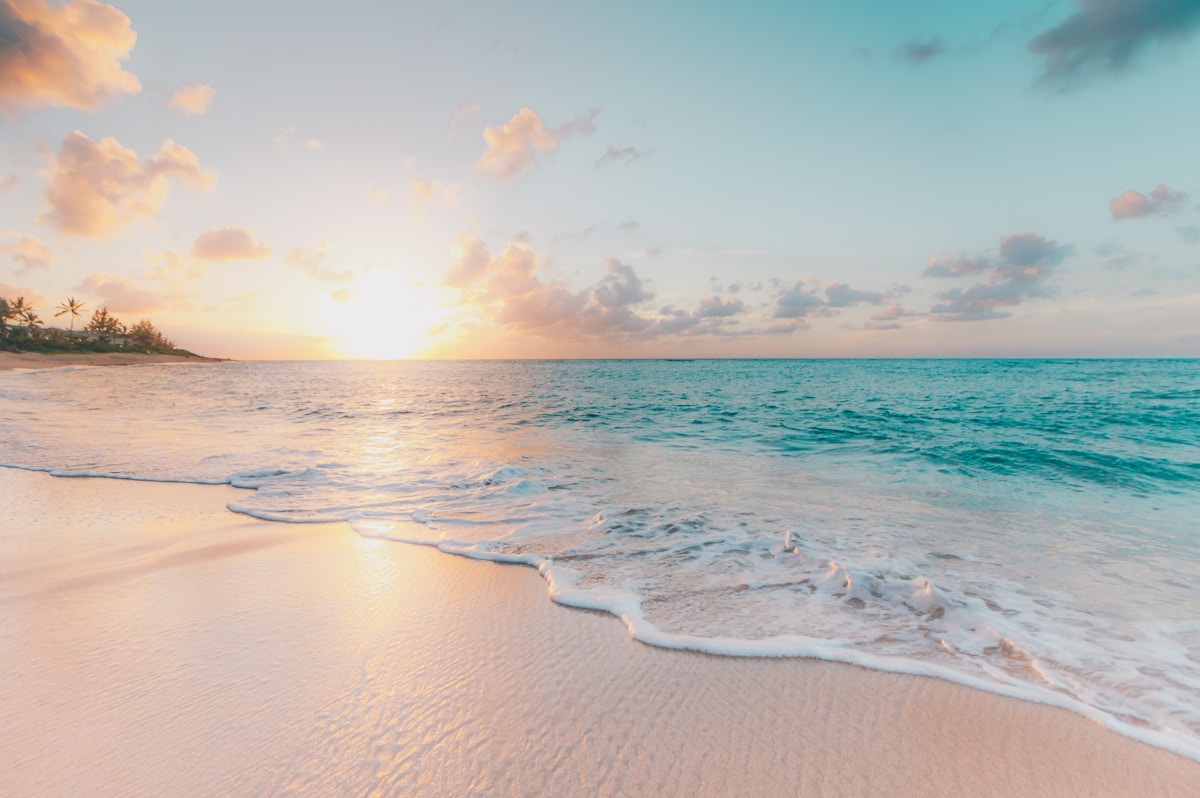
Cape Verde splits into two groups: the windward (Barlavento) and leeward (Sotavento) islands. For pure sun-seeking, you care about two names: Sal and Boa Vista. These are the flat, arid siblings, stripped of vegetation by millennia of Saharan trade winds. They don’t have the lush green peaks of Santo Antão or the volcanic drama of Fogo. Instead, they offer something winter travellers crave: guaranteed heat, endless white sand, and water that doesn’t require a wetsuit.
Sal is the more developed hub, with its international airport and resort strip around Santa Maria. Boa Vista is its sleepier cousin, a desert island with dunes that roll straight into the surf. Both share a strange, lunar beauty – think rust-red earth, salt flats, and a horizon unbroken by anything taller than a palm tree. You come here not for culture or cuisine (though the grogue rum and fresh lobster are fine company), but for the elemental act of thawing out. The trade winds blow constantly from November to June. A blessing for kite surfers, a mild curse for beach loungers – but the leeward beaches, especially on Sal’s west coast, stay sheltered.

Top 3 Attractions
1. Santa Maria’s Pier and the “Buracona” Blue Eye, Sal
Don’t just flop on the main beach. Walk the yellow-sand promenade at dawn, when local fishermen haul in the day’s catch, then head north to Buracona. This is a natural lava-rock pool where the Atlantic surges through a submerged cave, creating a swirling, impossibly blue vortex that locals call the Blue Eye. Swim in the tidal pool if the swell is calm – it’s like floating in a sapphire – but check with the guide on site first. The rocks are sharp, and the Atlantic here has zero patience for carelessness. The contrast between the black volcanic stone and the electric-blue water is the single most photographed sight in the archipelago for a reason. Honestly, the photos don’t do it justice.
2. The Viana Desert, Boa Vista
Boa Vista’s interior is a surprise: a genuine, Sahara-style desert of rippled golden dunes that stretch for kilometres inland. Rent a quad bike or, better, hire a local guide with a 4×4 and get dropped off for a two-hour walk. The silence is profound – no birds, no insects, just the whisper of sand moving. Climb the highest dune near Rabil and you’ll see the ocean on one side and an endless sea of ochre on the other. Disorienting and magnificent in equal measure. Bring a scarf for your face; the wind whips up fine particles that get into everything, including your camera’s sensor.
3. The Salt Ponds of Pedra de Lume, Sal
Inside the crater of an extinct volcano, just outside the island’s namesake town, lie the old salt flats. The Portuguese mined these ponds for centuries, and you can still see the rusted rail carts and wooden structures. The magic, though, is the water itself: a hypersaline solution so dense you float effortlessly. Like the Dead Sea but warmer and far less crowded. Slather yourself in the black volcanic mud at the bottom, let it dry, and rinse off in the briny water. Your skin will feel like silk for a week. It costs a few euros to enter, and it’s one of the few genuinely unique experiences in the archipelago. Most tourists skip it. That’s their loss.

Insider Tips
First, ditch the all-inclusive buffets. Walk into Santa Maria’s backstreets and find a family-run spot serving cachupa, the national stew of hominy corn, beans, and whatever fish or meat is around. It’s slow food, cooked overnight, and it’s the real taste of the islands. A bowl will set you back three euros. That’s cheaper than a sad hotel sandwich and infinitely better.
Second, rent a car on Sal for a day. The island is only 30km long, and the main road is decent. Drive to the far north near Palmeira and you’ll find empty beaches like Ponta Preta, where the kite surfers ride waves that would humble most pros. The freedom of your own wheels beats any organised tour. Plus, you can stop whenever the view demands it – and it will demand it often.
Third, learn to embrace the wind. Locals joke that the nortada (trade wind) is a resident. If it bothers you, head to the west side of Sal, specifically to the beach at Kite Beach, where the offshore breeze actually keeps the sand from blasting you. And always pack a light long-sleeve for evenings – the temperature drops sharply after sunset. One more thing: the wind is why you’re here. It keeps the islands bearable in summer and the crowds away in winter.
Fourth, take the inter-island ferry or a short flight to Boa Vista for a day trip if you’re staying on Sal. The flight is 25 minutes, and the contrast is worth it. Boa Vista’s coastline, especially the beach at Chaves, is wilder and more pristine than anything on Sal. You’ll feel like Robinson Crusoe, minus the existential dread. Or plus it, depending on your disposition.
Finally, negotiate everything. Taxi fares, boat trips, even souvenir prices – haggling is expected and done with a smile. The locals are warm, but they’ll respect you more if you engage in the dance rather than paying the first number quoted. It’s not about saving a euro or two; it’s about participating.
Practical Info
Getting there is easy. TAP Air Portugal flies direct from Lisbon to Sal (Amílcar Cabral International Airport) in about four hours, and there are seasonal charters from the UK, Germany, and Italy. Once on the ground, local airline Bestfly connects Sal and Boa Vista daily. The islands use the Cape Verdean escudo (CVE), but euros are accepted almost everywhere – you’ll get change in escudos, so don’t be surprised. Cards work in the bigger resorts, but carry cash for markets and small restaurants. You’ve been warned.
Best time to visit? December through April is peak season for a reason: air temps sit between 24°C and 28°C, humidity is low, and rain is nearly impossible. January and February are the windiest months, which keeps the heat from feeling oppressive. Avoid August if you can – that’s rainy season, and the islands turn a dull green that ruins the desert aesthetic. You didn’t fly four hours for drizzle.
Budget-wise, Cape Verde isn’t a budget destination. It’s pricier than mainland Portugal because almost everything is imported. Expect to pay €40–€60 per night for a decent guesthouse, €15–€25 for a meal with wine, and around €30 for a day’s car rental. A week will run you €700–€1,000 per person, excluding flights, if you’re moderately careful. It’s not the cheapest sun you’ll find, but it’s among the most rewarding.
Safety is a non-issue in the tourist zones. Petty theft exists but is rare; violent crime against visitors is virtually unheard of. The bigger risk is the sun – the equatorial UV is fierce, and the constant wind masks how much you’re burning. Reapply sunscreen every two hours, wear a hat, and drink twice the water you think you need. Tap water isn’t potable; stick to bottled. Your skin will thank you later.
A Surprising Fact
Cape Verde is one of the most deforested countries on Earth – less than 1% of its original forest cover remains – yet it’s also home to one of the world’s most successful sea turtle conservation programs. On Boa Vista’s beaches, loggerhead turtles nest by the thousands between June and October. The islands were once a major transatlantic slave-trading hub, a dark chapter that locals have transformed into a resilient, fiercely independent culture. That history, combined with the desert landscape, makes this feel less like a typical beach holiday and more like visiting a place that has survived against all odds. The irony? Tourists come for the sun, but the real treasure is the quiet dignity of the people who’ve turned a barren rock into a home. You’ll leave with a tan, sure, but also with a new perspective.
So, are you ready to trade your winter coat for a pair of board shorts? Don’t wait until March when the rest of Europe discovers what the kite surfers have known for years. Book a flight to Sal, pack light, and let the trade winds blow your worries away. The sun is waiting, and it’s not going to find you on your sofa.