Cultural Etiquette in Japan: The Unwritten Rules That Make or Break Your Trip
You’ve booked the flight, packed the camera, and memorized a few phrases. But Japan rewards the prepared, not just the curious. I’ve spent years crisscrossing the archipelago, and the difference between a good trip and a transformative one often comes down to how well you read the room. This guide cuts through the tourist gloss to the living code of conduct that shapes every interaction, from a Tokyo bar counter to a Kyoto temple garden. Master these unspoken rules, and you’ll leave with more than photos—you’ll leave with genuine connections. That’s the real souvenir.
Overview
Japan runs on harmony—wa—a concept so deeply embedded that it dictates everything from how you hand over money to how you sit on a train. The culture prizes group cohesion over individual expression, indirect communication over blunt honesty, and ritual over improvisation. For the visitor, this isn’t a barrier; it’s a key. Once you understand that a slight bow, a quiet voice, and a careful pause are all forms of respect, the country opens up like a flower.
Forget the clichés of bowing robots and polite automatons. Real etiquette here is fluid, situational, and deeply humane. It’s about anticipating the needs of others before your own. The person who holds the elevator door for you, the shopkeeper who wraps your purchase like a gift, the stranger who walks you three blocks to find your hotel—these aren’t robotic gestures. They’re the everyday currency of a society that has perfected the art of consideration. Your job is to learn the basic grammar of that language, and you’ll be surprised how far goodwill takes you.
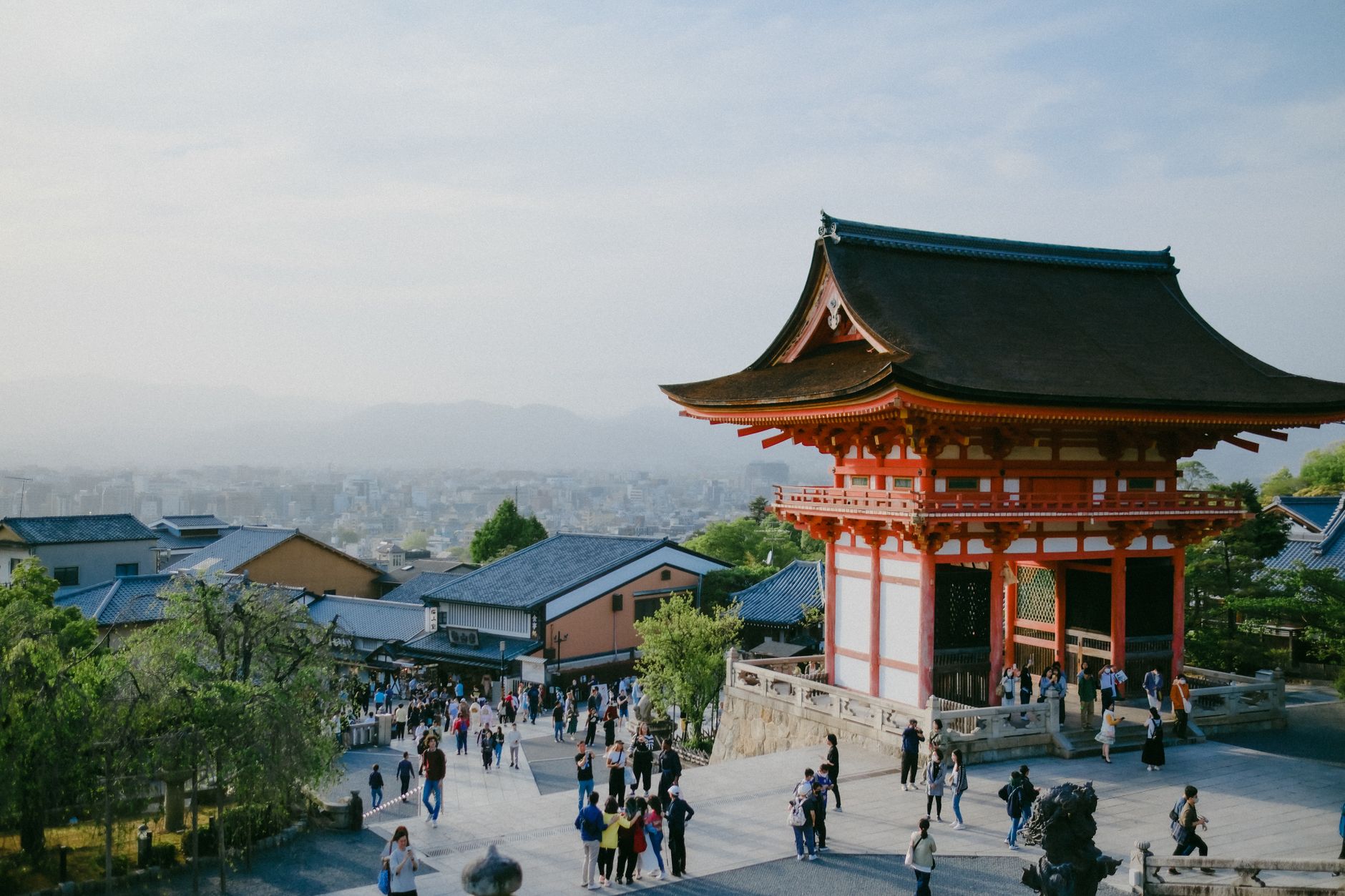
Top 3 Attractions
1. The Art of the Bath: A Sento in Tokyo’s Yanaka District. Skip the fancy onsen resorts for a working-class neighborhood bathhouse. At a place like Yanaka no Yu, you’ll scrub thoroughly at the stools before stepping into the hot water—never, ever dip your towel in the bath. Soap and rinse outside the tub. Watch the regulars: they soak in silence, steam rising, faces slack with relief. It’s not a spectacle; it’s a daily reset. After twenty minutes, you’ll understand why the Japanese call this the great equalizer. Bring only a small towel and your willingness to be naked among strangers—it’s liberating, not awkward.
2. A Tea Ceremony in Kanazawa’s Old Samurai District. This isn’t a performance; it’s a conversation in slow motion. In a restored machiya townhouse, you’ll kneel on tatami—mind your feet, never step on the edge border—and watch the host’s precise, unhurried movements. When the bowl is passed to you, bow slightly, turn it clockwise twice, and sip with an audible, appreciative slurp. That slurp isn’t rude; it’s praise. The whole ritual lasts nearly an hour, and the silence is the point. Resist the urge to fill it with chatter. Let the weight of the moment settle.
3. A Baseball Game at the Tokyo Dome. Here’s where you see etiquette’s wild side. Japanese fans are disciplined, but they’re not passive. The organized cheering sections—with synchronized chants, umbrellas, and trumpets—are a masterclass in collective energy. You’ll be handed a plastic bag for your trash, and you’ll use it. You’ll stand when the home team’s cleanup hitter comes to bat, and you’ll sit when the inning ends. The rules are unspoken but absolute. Buy a beer from the roving “beer girl,” who bows as she pours, and tip her with a smile—tipping isn’t expected, but her service deserves a nod. This is Japan at its most exuberant, still wrapped in order.

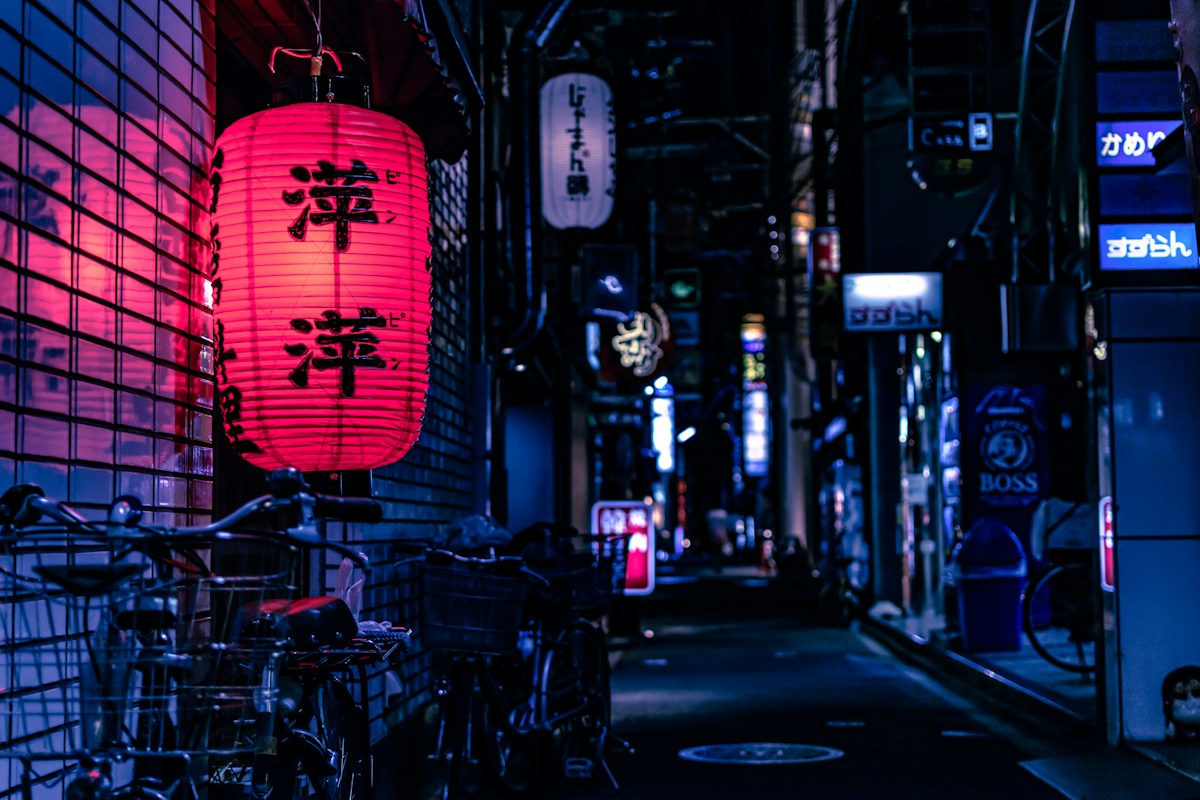
Insider Tips
Slip off your shoes at the genkan, the entryway step, and place them toe-out. When you leave, they’ll be facing the door—ready for you. But here’s the twist: at some restaurants, the slippers you’re given for the dining area are different from the ones for the toilet. Swap them. Always. Forgetting this is the classic foreigner slip.
Hand money with both hands, or rest the bill or card on the small tray provided at counters. Don’t just shove it forward. The tray exists because touching money directly feels a little unclean, a little too transactional. The gesture says, “I’m not just paying; I’m acknowledging you.” Small, but it changes the energy of every purchase.
On trains, silence is golden. Don’t take phone calls, and if you must check your phone, keep it on silent. Playing games or scrolling is fine, but talking—even quietly—will earn you glares. The Japanese have perfected the art of not staring, so you might not notice the disapproval. You will notice the cold air around you.
Eating on the go is a faux pas. No walking while nibbling a crepe or sipping a coffee from a vending machine. Stand still, finish, and move. The exception is at festivals, where eating while walking is tolerated, but even then, locals tend to stop at the stall. Follow suit.
Bowing isn’t a head nod. It’s a hinge from the waist, hands at your sides. The deeper the bow, the greater the respect. For equal status, a 15-degree angle is fine. For a shopkeeper or elder, go closer to 30. Don’t bow while walking—stop, bow, then move. And if someone bows to you, you bow back. It’s a mirror game, and you’ll get better with practice.
Practical Info
Transport: The Japan Rail Pass remains the best value for long-distance travel, but you must buy it before you arrive. Local transit in Tokyo and Osaka runs on IC cards—Suica or Pasmo—which you can get at any station machine. They work on buses, subways, and even convenience stores. Download the Navitime app; Google Maps works, but Navitime handles complex station exits better. One counter-intuitive tip: don’t take the fastest train. The local kaisoku (rapid) service often skips the same stops and costs less, with the same seats.
Best time to visit: Late March to mid-April for cherry blossoms, but book six months ahead. October to November is my favorite: crisp air, autumn foliage, and fewer crowds. Avoid Golden Week (late April to early May) and Obon (mid-August) when the entire country travels. Weather-wise, you’ll trade humidity for cold, but the lack of tourists makes autumn the clear winner.
Budget: Japan is expensive, but not cripplingly so. A budget traveler can survive on ¥8,000–10,000 a day (about $55–70) with capsule hotels, convenience store breakfasts, and ramen dinners. Mid-range doubles that. The real money-saver: eat at department store basements (depachika) for lunch—prepared meals that are gourmet-quality at half the restaurant price. And drink tap water; it’s excellent.
Safety: Japan is staggeringly safe. Crime against tourists is almost nonexistent. But that safety depends on you following the rules. Stay on the left on escalators in Tokyo (right in Osaka). Don’t jaywalk near police stations—they’ll politely wave you back. And if you lose something, report it to the nearest koban (police box). Lost wallets and phones are returned with startling regularity. Carry cash; many small shops and restaurants don’t take cards.
A Surprising Fact
Japan has the highest rate of vending machines per capita in the world—roughly one for every 23 people. But here’s the counter-intuitive part: they’re not just for drinks. You’ll find machines selling batteries, umbrellas, fresh eggs, and even hot meals. And in earthquake-prone regions, some machines are designed to dispense free supplies during disasters. But the real surprise? The Japanese rarely use them for anything except beverages. The machines exist out of convenience culture, not desperation. Tourists love them; locals treat them as background furniture. Don’t make them your food plan—you’ll miss the real cuisine.
Here’s another twist: the famous “quiet train” culture isn’t about shyness. It’s about a shared social contract where your noise is considered theft of others’ peace. The Japanese aren’t naturally quiet; they’re deliberately considerate. That’s a choice you can make too, and it changes how you travel everywhere else.
So, are you ready to trade the checklist for the culture? The etiquette isn’t a cage—it’s a bridge. Every bow, every shoe swap, every quiet train ride is a small step toward understanding a place that rewards patience over speed. Skip the rushed itinerary. Give yourself one extra day to sit in a sento, one evening to watch a baseball crowd move as one, one morning to kneel through a tea ceremony. You’ll leave with mud on your shoes and clarity in your head. Japan doesn’t just show you its sights; it shows you how to see. And that’s worth the ticket price alone.