You can’t see a place properly with a wheeled suitcase rattling behind you. I learned that years ago on a cobbled lane in Porto, dragging a broken spinner across basalt while a woman with a backpack walked past me and vanished up a staircase I hadn’t even noticed. That staircase led to a miradouro with the best view in the city. She got it. I didn’t. Backpack travel isn’t about suffering or proving something — it’s about mobility, and mobility is what turns a trip into an actual journey. This guide covers everything you need to travel light, move freely, and stop being the person everyone waits for at the bottom of the hill.
Overview
Backpack travel is a style of movement, not a destination. It means carrying everything you own in one bag that fits on your back, keeping your total weight low enough to walk a mile without stopping, and accepting that you’ll do laundry in a sink more than once. Fewer things, more range. When your bag weighs 7 kilograms instead of 20, you take the train instead of the taxi, the trail instead of the road, and the guesthouse up the hill instead of the one by the bus stop.
The best places for this style of travel share a few traits — reliable public transport, cheap laundry services, hostels or family-run guesthouses with storage, and terrain that rewards walking. Lisbon, where I live, is a perfect training ground. So is northern Vietnam, the Balkans, and pretty much anywhere in Central America. Pick a region with a decent rail or bus network and start there. You’ll learn faster when you’re not fighting infrastructure.
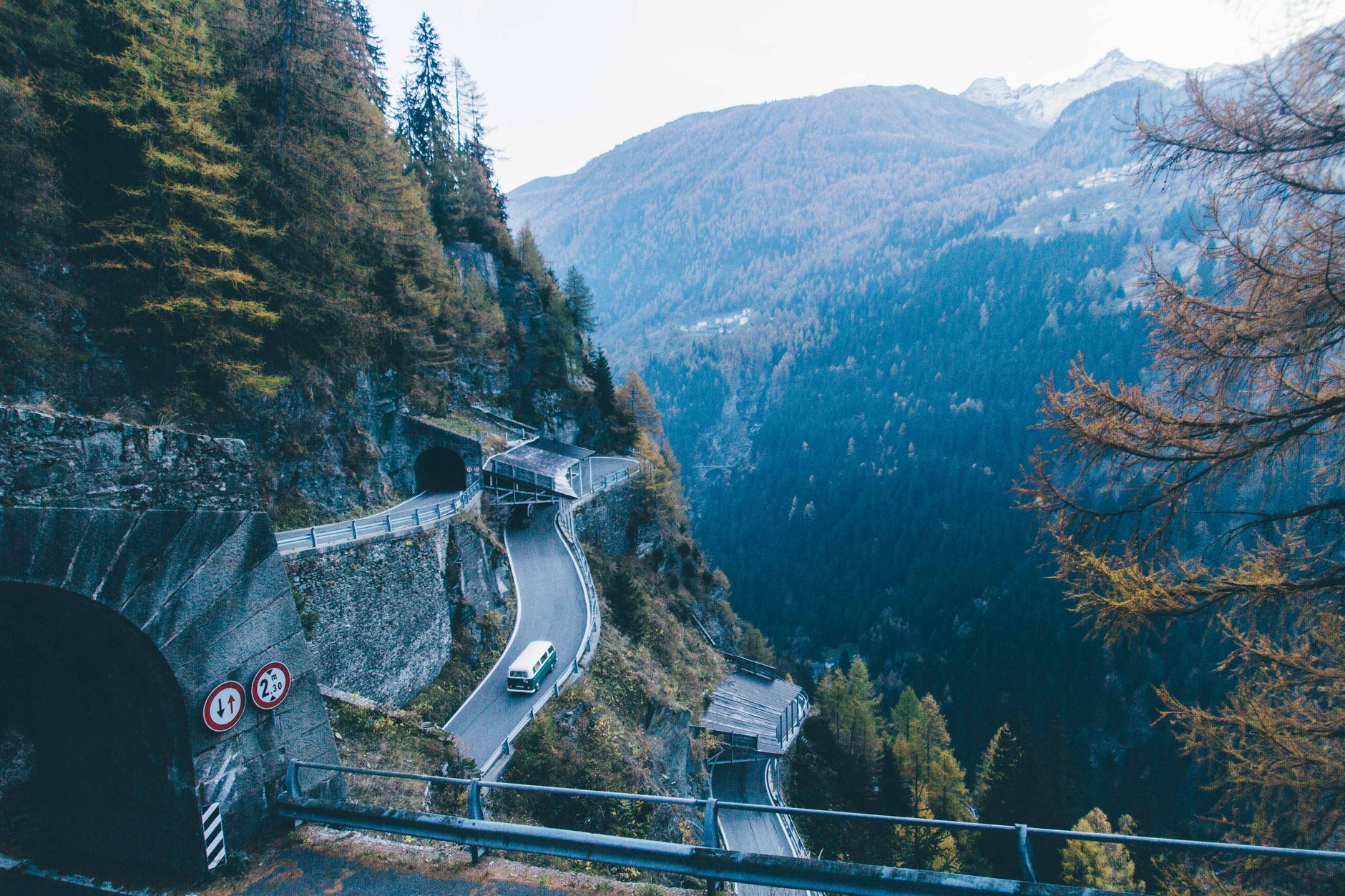
Top 3 Attractions
The 40-litre bag itself. This is the real attraction — the piece of gear that makes or breaks the trip. A 40-litre pack with a proper hip belt and a front-loading zipper beats a 65-litre top-loader every time. The front-loader opens flat like a suitcase, so you’re not excavating from the bottom every morning. I’ve used the same Osprey Farpoint 40 for six years across four continents. It fits in overhead bins on every major airline, which means no checked bag fees and no waiting at the carousel. Test your packed bag by walking up and down stairs for ten minutes. If your shoulders hurt, you’ve packed too much, not bought the wrong bag.
A capsule wardrobe that actually works. The magic number is five. Five tops, two bottoms, one mid-layer, one rain shell, seven pairs of underwear and socks. Everything in two colours that match. Merino wool is worth the price — it resists odour for days, dries overnight, and regulates temperature better than cotton. Skip the “what if” items. You will not wear the dress shoes. You will not read the second book. Every item you pack is weight you carry up every staircase for the whole trip. The test: if you haven’t used it in the first week, mail it home or leave it in a hostel donation box.
The art of the sink wash. This is the skill that separates a two-week backpacker from a two-month one. Every three or four days, fill a sink with cool water, add a few drops of Dr. Bronner’s or a laundry sheet, submerge your clothes, agitate for two minutes, rinse until the water runs clear, then roll everything in a towel and wring it hard. Hang it on a travel line or a chair. Merino and synthetics dry in four to six hours. Cotton takes a day and a half and smells like a wet dog. Fifteen minutes of work, and you can travel indefinitely with a week’s worth of clothes.
Insider Tips
- Pack for the laundry cycle, not the trip length. If you can do laundry every four days, you need four days of clothes. A one-month trip and a one-year trip require the same bag.
- Wear your heaviest items on travel days. Boots, jacket, jeans if you must. It keeps your bag under weight limits and frees space inside the pack.
- Use packing cubes, but not for everything. One cube for tops, one for bottoms, one for electronics. Loose items fill gaps around the cubes — don’t over-organize and waste space.
- Keep a day bag inside the main bag. A packable 15-litre daypack weighs almost nothing and saves you from carrying your full pack on day trips or short hikes.
- Learn to say “no” to souvenirs early. Every object you buy becomes weight on your back for the rest of the trip. Photograph it instead. Buy one small thing per country, maximum.
Practical Info
Transport. Backpack travel works best on trains, buses, and ferries — anywhere you can carry your bag on without checking it. In Europe, regional trains and FlixBus routes are cheap and let you keep your pack with you. In Southeast Asia, sleeper buses and overnight trains are the standard. Avoid budget airlines when you can; they charge for everything and weigh your bag at the gate. When you do fly, know the limits before you book — most allow a 40-litre pack as carry-on if it’s under 7 kilograms and fits the sizer.
Best time to visit. Shoulder season, always. Late April to early June, and September to October in Europe. November to February in Southeast Asia. You get decent weather, fewer crowds, lower prices, and — crucially — hostels that aren’t fully booked, which means you can actually move on a whim. Peak season forces you to plan weeks ahead, which kills the freedom that backpacking is supposed to give you.
Budget. Backpack travel is cheap, but not free. In Portugal or Spain, expect €50–70 per day including hostel dorm, groceries, transport, and one paid attraction. In Vietnam or Thailand, $25–40 per day. In Central America, $30–50. The biggest savings come from cooking some meals, taking public transport, and staying in dorms or family guesthouses. The biggest expenses are flights and any tours you book. Set a daily budget and track it — most backpackers overspend in the first week and then panic.
Safety. Your bag is your life, so protect it. Use a small padlock on the main zipper and keep the pack with you on buses and trains — never in the overhead rack where someone can walk off with it at a stop. Carry your passport, cards, and phone in a money belt or a zippered pocket against your body. Split your cash between two places. Register your trip with your embassy. And trust your gut — if a street or a situation feels wrong, leave. No attraction is worth the risk.
A Surprising Fact
The lighter you pack, the more you end up carrying — in a good way. Backpackers who travel with 7 kilograms consistently report spending more time walking, more spontaneous detours, and more interactions with locals than those with 20-kilogram bags. The reason is simple: when your bag doesn’t slow you down, you say yes to the staircase, the side street, the invitation to dinner. The weight you leave behind isn’t just physical. It’s the mental load of managing stuff — where it is, whether it’s safe, whether you can carry it up one more flight. Strip that away and the trip changes shape. You stop being a tourist moving between points and start being a traveller moving through a place.
So here’s the question: what’s actually stopping you from packing a 40-litre bag this weekend and booking a one-way ticket somewhere with good trains and cheap guesthouses? Not next year. Not after you buy more gear. Now. You already own enough clothes. You already know how to wash them in a sink. The only thing left is the decision to travel light — and once you make it, you’ll never go back to the suitcase. Start with a weekend trip. Pack the bag. Walk up the hill. See what you find at the top.