I once watched a German conductor fine a backpacker €60 for boarding an ICE train with an unvalidated Eurail pass. The kid had done nothing wrong except assume. European public transport rewards people who read the fine print and punishes everyone else. Master it, and a continent opens up by rail, bus, tram, and ferry for the price of a decent dinner. Fumble it, and you’ll spend your trip arguing with ticket machines in languages you don’t speak. This guide is about joining the first group.
Overview
Europe’s public transport network is the single greatest travel asset on the planet. I say that as someone who has spent twelve years routing around it. Leave Lisbon at breakfast, cross into Spain without showing a passport, eat pintxos in San Sebastián by evening. High-speed rail now links most major cities, regional buses fill the gaps trains miss, and metro systems in Vienna, Prague, and Oslo run with a punctuality that would make most American transit agencies weep.
The catch is fragmentation. Every country runs its own rail operator, every city its own ticketing app, every region its own discount scheme. There is no single “European transport system” — just a dense, gloriously messy patchwork. The travellers who thrive treat that patchwork as a puzzle rather than an obstacle. Buy the right pass. Know when to skip the train for a budget bus. Understand that a €9 day ticket in one city might cost €2.50 in another. Do that, and you’ll move through the continent with far less money and far more freedom than the package-tour crowd.
Top 3 Attractions
The night train revival. Sleeper trains were dying a decade ago. Now they’re back with a vengeance, and they’re the most underrated way to cross Europe. Austria’s ÖBB Nightjet connects Vienna to Paris, Amsterdam, and Rome; Sweden’s SJ runs Stockholm to Hamburg; new routes keep launching. You board at 9pm, sleep through borders, wake up in a different country. A couchette berth on the Vienna–Venice route costs around €60 — less than a hotel night, and you’ve saved a full travel day. Book early. The good compartments vanish weeks out.
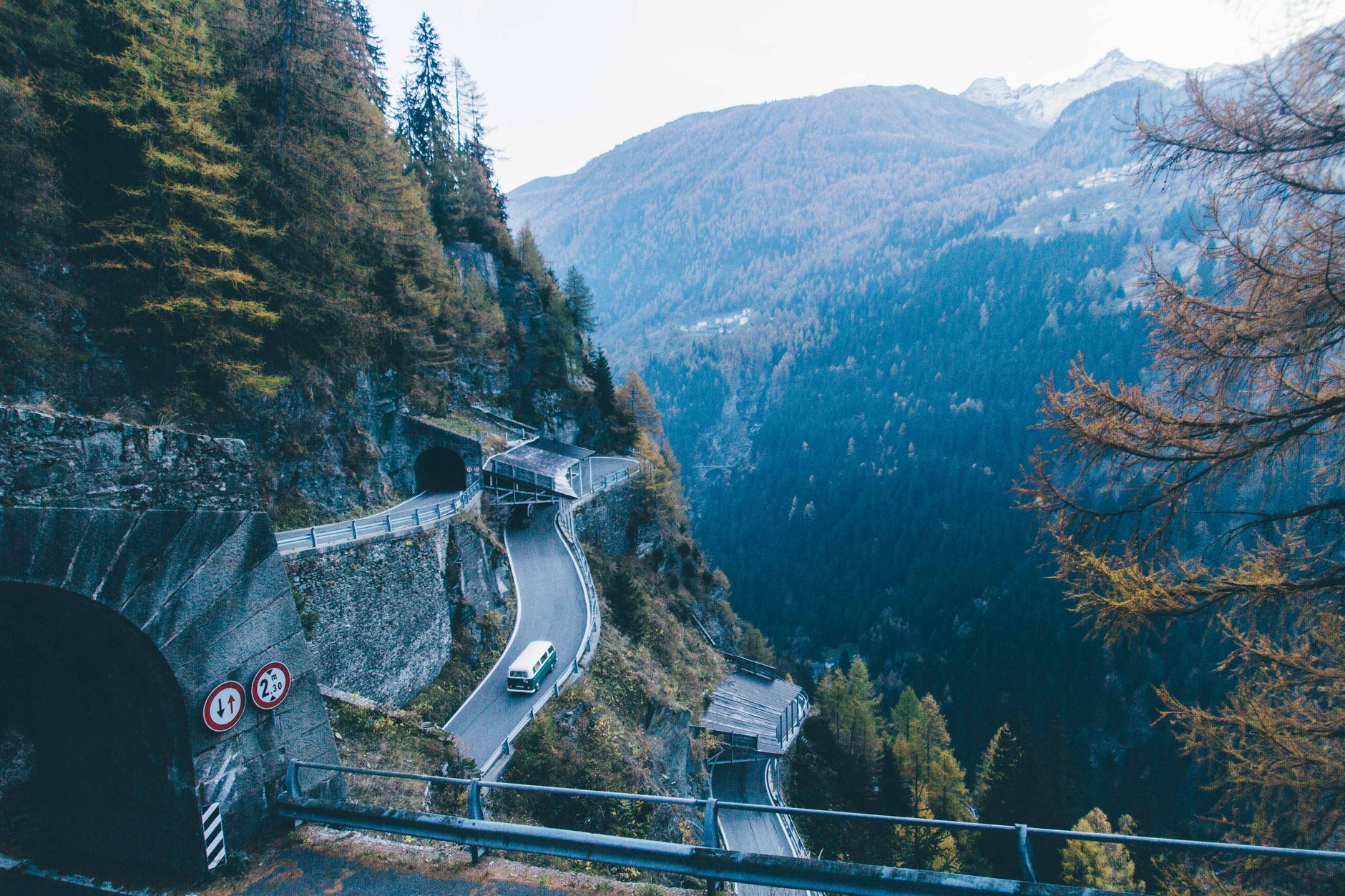
Switzerland’s integrated network. Nowhere on earth does public transport work like this. The Swiss Travel Pass covers trains, buses, boats, and city trams on one ticket, and connections are timed to the minute. A regional bus in the Alps will wait for a delayed train so you don’t miss it — try finding that anywhere else. The Glacier Express and Bernina Express are the famous runs, but the real magic is that every ordinary village line is equally scenic. Take the postal bus over a mountain pass and you’ll understand why the Swiss treat timetables as a civic religion.
Germany’s €49 Deutschlandticket. For a flat monthly fee, this pass covers every regional train, S-Bahn, U-Bahn, tram, and bus in the country — just not the high-speed ICE and IC trains. For slow travellers who don’t mind changing a few times, it’s absurd value. Cross from the Baltic coast to the Bavarian Alps on regional trains for the price of two restaurant meals. It’s subscription-based and auto-renews, so cancel before you leave if you don’t want a surprise charge the following month.
Insider Tips
- Validate before you board. In Italy, France, and much of Eastern Europe, you must stamp paper tickets in a machine on the platform before boarding. Skip it and you’re riding without a valid ticket, even if you paid.
- Book high-speed rail 2–3 months ahead. A Madrid–Barcelona AVE ticket bought early runs €30–€45; bought the same day, it can hit €200. The price curve is brutal and predictable.
- Use the operators’ own apps, not aggregators. Trainline and Omio are convenient, but SNCF Connect, Trenitalia, and DB Navigator often show cheaper fares and handle disruptions far better when things go wrong.
- FlixBus and BlaBlaCar beat trains on some routes. For Berlin–Prague or Lisbon–Seville, the bus is often half the price and barely slower. Don’t assume rail is always king.
- Keep a physical backup. Screenshots of your QR codes, plus one printed ticket, will save you when your phone dies or the scanner reader is down — which happens more than you’d think.
Practical Info
Transport: Eurail and Interrail passes suit travellers doing many countries in a short window, but for point-to-point trips, individual tickets bought early are usually cheaper. Budget buses cover the routes rail doesn’t, and low-cost airlines like Ryanair and easyJet fill the long-haul gaps — though factor in airport transfer costs, which can quietly double your fare.
Best time to visit: Shoulder season, meaning late April to mid-June and September to mid-October. Fewer crowds, lower fares, and you can actually get a seat. August is peak chaos on coastal routes, and much of southern Europe shuts down for holidays anyway.
Budget: Expect €15–€40 for intercity buses, €25–€90 for advance high-speed rail, and €2–€8 for a single urban metro ride. A Eurail Global Pass starts around €200 for four travel days in a month. Hostels run €20–€40 a night in the west, less in the east.
Safety: The systems themselves are safe. Your real risks are pickpockets in major stations — Paris Gare du Nord, Rome Termini, Barcelona Sants — and ticket inspectors who show no mercy for honest mistakes. Watch your bags on night trains, and never leave luggage unattended in a carriage.
A Surprising Fact
Germany’s Deutschlandticket triggered such a surge in regional rail demand that some routes now run so full that passengers get turned away at the platform. A €49 flat fare didn’t just sell more tickets — it changed how a nation commutes. The counter-intuitive part: cheaper fares made the network less reliable for everyone, because infrastructure built for a smaller ridership suddenly had to absorb millions of new trips. Cheap transport is a policy choice, and it comes with a bill somewhere. The lesson for travellers is to book seats on popular regional lines even when the ticket itself is flexible.
So here’s the question that should shape your next trip: are you going to spend it queuing at ticket machines, or are you going to learn the system before you land and just move? Download the key apps tonight — DB Navigator, SNCF Connect, Trenitalia, your chosen bus operator — and buy your first long-distance leg while the price is still low. The continent is stitched together by rails, wires, and timetables. Learn the stitches, and Europe stops being a series of destinations and becomes one continuous, affordable journey.