How to Plan a Train Trip Through Switzerland: A Rail Journey Through the Alps
Switzerland was built for trains. The country is 41,285 square kilometres of mountains, lakes, and valleys, and somehow the Swiss have laid more than 5,000 kilometres of track across the whole thing. You can cross from a palm-lined lakeside in Ticino to a glacier at 3,454 metres without ever touching a car. That’s the appeal: the journey becomes the destination. I’ve ridden these lines a dozen times and still press my face to the glass like a kid. Here’s how to plan it properly.
Overview
Swiss rail isn’t one company but a web of them — the state-run SBB/CFF/FFS, plus private operators like the Glacier Express, Bernina Express, and GoldenPass. They all interlock, and that’s what matters. A single Swiss Travel Pass covers almost every train, boat, bus, and city tram in the country, plus free entry to 500-plus museums. Buy it before you arrive and you skip the ticket-machine dance entirely.
The classic mistake is treating Switzerland as a checklist. Zurich, Lucerne, Interlaken, Zermatt, done. That gives you a blur of platforms and platform coffee. Better to pick two or three regions and let the slow trains do the work — the narrow-gauge lines that crawl through vineyards and gorge country, where the driver still waves at farmers. The panoramic expresses are magnificent. The ordinary regional trains on the same routes cost a fraction and drop you in villages the expresses blow straight through.
Top 3 Attractions
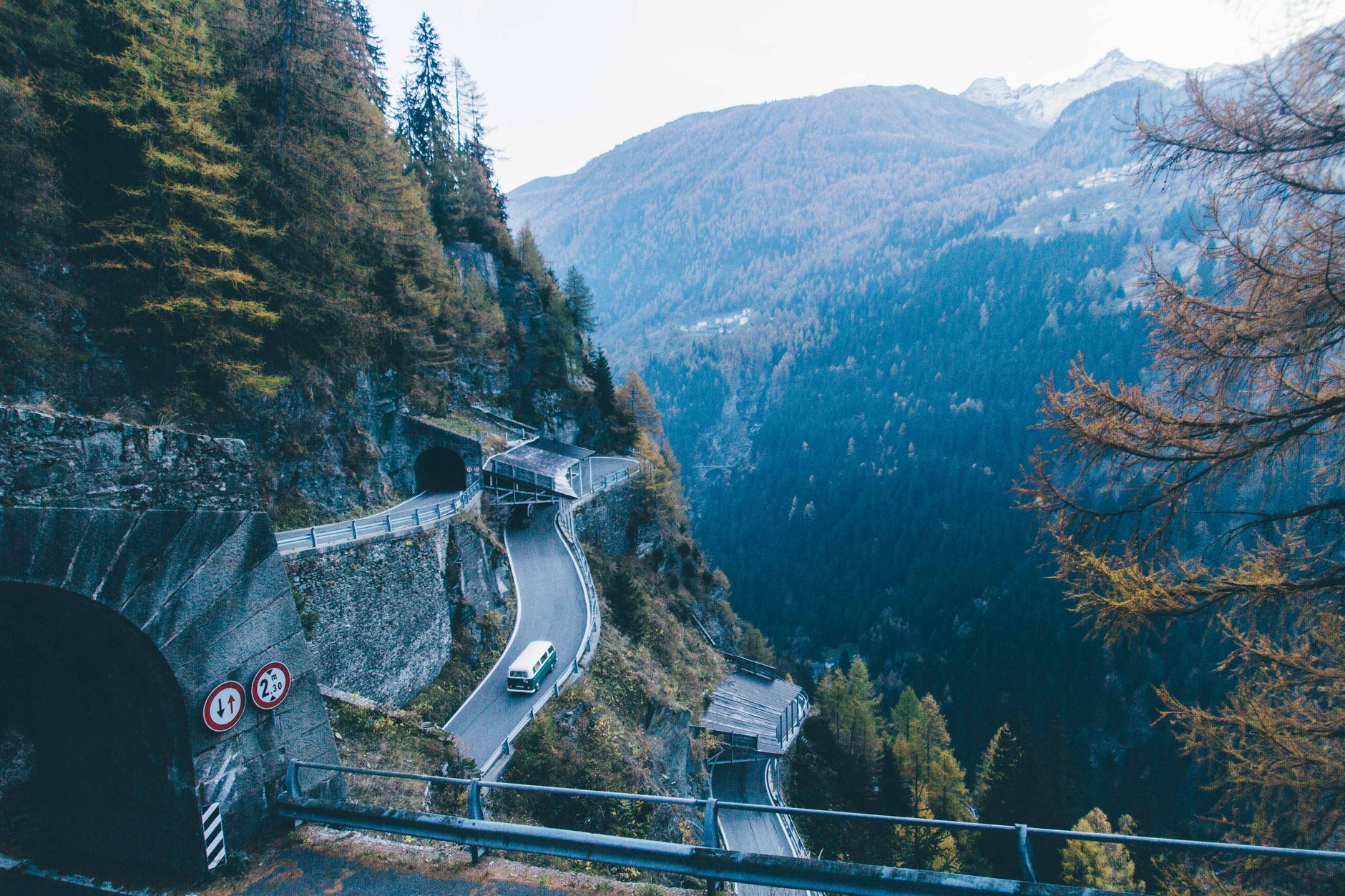
The Bernina Express. This is the one that earns its hype. The train climbs from Tirano in Italy to St. Moritz over the Bernina Pass, and the section between Alp Grüm and Ospizio Bernina is the highest railway crossing in the Alps. What you get: the Brusio spiral viaduct, a 360-degree loop of stone that solves a 70-metre height problem in a single turn; the Morteratsch Glacier sliding down out of the mountains on your left; and Lago Bianco, a reservoir so turquoise it looks dyed. Ride it in a second-class carriage if you want windows that actually open. First class has the panorama glass but sealed vents, and photographers will hate you for the reflections.
Zermatt and the Gornergrat Railway. Zermatt is car-free, which sounds quaint until you realise it means the air is genuinely cleaner and the only sounds at night are cowbells and the river. The Gornergrat line, opened in 1898, is Europe’s oldest electrified cog railway. It hauls you up to 3,089 metres in 33 minutes, and from the top you get a face-full of the Matterhorn plus 29 other peaks over 4,000 metres. Go early. The 7:00 a.m. departure beats the tour groups by a solid hour, and the morning light on the Matterhorn’s east face is the reason you came.
The GoldenPass Line, Montreux to Lucerne. Three trains, three changes, one continuous swoon. You start on Lake Geneva’s terraced vineyards, switch to the MOB line through the Pays-d’Enhaut, then finish on the Brünig line down to Lucerne. The middle stretch through the Saanenland is the sleeper hit — wooden chalets, dairy cows, and the kind of green that makes your phone camera look broken. The new GoldenPass Express runs direct with variable-gauge bogies that switch mid-journey, which is a piece of engineering worth the fare alone.
Insider Tips
Sit on the correct side. On the Bernina Express heading south from St. Moritz, the good views are on the right. Heading north, the left. On the Glacier Express from Zermatt to St. Moritz, the right side catches the Rhine Gorge. Nobody tells you this at the ticket office, and you’ll spend three hours craning your neck if you get it wrong. Ask the conductor — they know every curve.
Skip the panoramic carriages for at least one leg. They’re lovely and air-conditioned and you can’t open a window. On a rainy day, fine. On a clear one, take the regional train on the same route, throw the window down, and shoot without glass between you and the Alps. The fare is often half, and the locals riding to work will tell you where to get off.
Eat in the station, not the dining car. Swiss station food is genuinely good. Coop and Migros supermarkets inside major stations sell fresh sandwiches, fruit, and local cheese for a fraction of dining-car prices. The SBB’s own restaurants at Zurich and Basel are solid too. Pack a picnic, board the train, and spend the savings on a proper dinner in a village.
Book seats on the expresses, but not the regionals. The Glacier Express and Bernina Express require reservations in peak season and they sell out weeks ahead. Regional trains never need booking. If the express is full, the regional alternative runs the same scenery with zero stress.
Travel light and use the luggage services. SBB will forward your bag from any staffed station to any other for a flat fee, same-day or overnight. It’s the single best-kept secret in Swiss travel. Check out of your Zermatt hotel, send the suitcase ahead to Lucerne, and spend the day riding the rails unencumbered. Your back will thank you on the third connection.
Practical Info
Transport. The Swiss Travel Pass is the default for visitors: unlimited rail, boat, and bus travel plus city transport and museum entry. Buy a 3, 4, 6, 8, or 15-day consecutive pass, or a flex version for non-consecutive days. It covers the scenic routes but not the seat reservations on them. If you’re under 26, the youth pass saves you 15 percent. Point-to-point tickets exist but add up fast; the pass pays for itself by day three.
Best time to visit. Late May through early October for open high passes and green valleys. September is the sweet spot — crowds thin, the light turns golden, and the larches start to fire up. Winter rail travel is spectacular but some mountain lines close, and the panoramic expresses run reduced schedules. Avoid the first two weeks of August if you can; that’s when all of Europe is on holiday and the trains are standing-room only.
Budget. Switzerland is expensive, full stop. A mid-range day runs 150–250 CHF per person: pass amortised, one restaurant meal, a museum or cable car, snacks from a supermarket. Accommodation is the wild card — a hostel dorm is 40–60 CHF, a decent three-star hotel 180–300 CHF. Book direct and off-peak to shave 20 percent. Coffee is 5 CHF, a beer 8, a pizza 25. Budget accordingly and you won’t wince at every receipt.
Safety. Switzerland is about as safe as travel gets. Violent crime is rare, trains are clean and punctual to a fault, and solo travellers — including women travelling alone — consistently rate it among the safest countries in Europe. The real risks are altitude and weather. The Gornergrat and Jungfraujoch sit above 3,000 metres; hydrate, take it slow, and don’t sprint for the viewing platform. Mountain weather flips fast. Pack a shell even in July.
A Surprising Fact
Swiss trains are so punctual that the national rail company once apologised publicly for a train arriving four minutes late — and the apology made international news. The SBB’s official on-time threshold is anything under three minutes; beyond that, it counts as delayed. In 2023, 92.5 percent of trains hit that mark. Here’s the counter-intuitive bit: this obsession with precision isn’t Swiss efficiency for its own sake. The network runs so many trains on so many shared tracks that a single four-minute delay cascades across the country within an hour. Punctuality isn’t a virtue here. It’s structural survival.
So here’s the question you need to answer before you book anything: do you want to see Switzerland, or do you want to ride it? The two are different trips. The first is a series of postcards. The second is four days of window seats, station sandwiches, and the slow realisation that the best view on the whole journey was the one you almost slept through somewhere between Brig and Andermatt. Pick your route, buy the pass, pack light, and let the timetable do the rest. The Alps aren’t going anywhere — but the 7:00 a.m. train to Gornergrat is, and you don’t want to miss it.