Europe doesn’t run a single food festival season. It runs a relay race, nearly year-round, from winter truffle fairs in the Italian hills to autumn chestnut roasts in Portuguese mountain villages. What makes these events worth building a trip around isn’t the food alone. For two or three days, a town hands its identity over to whatever it grows, catches, or ferments best. You eat what the place actually is. A restaurant menu designed for visitors can’t touch that.
Overview
European food festivals split roughly into two types. The big civic spectacles — the Menton Lemon Festival on the French Riviera, Munich’s Oktoberfest — are polished, crowded, and genuinely fun if you accept the scale. The hyper-local harvest fairs are the ones I keep returning to, where an entire valley’s economy gets celebrated for a weekend. A village of 800 hosting 40,000 visitors for its annual onion festival sounds absurd until you taste the onion tart and understand the civic pride behind it.
Geography matters here. Southern Europe clusters its festivals around harvest cycles: olives in November, tomatoes in August, chestnuts in October. Northern Europe leans into preserved and fermented traditions — herring, cheese, beer, pickled everything. Plan around one region instead of chasing a continent. You’ll eat better and spend less time on trains.
Top 3 Attractions
1. The White Truffle Fair, Alba, Italy (October–November). Piedmont’s truffle season turns this small city into a pilgrimage site for chefs and foragers. The international truffle market runs weekends through autumn, and vendors will shave fresh Tuber magnatum onto scrambled eggs for a few euros. Whole truffle prices swing wildly by weight and aroma — anywhere from €150 to €400 per 100 grams depending on the year’s yield. Go on a weekday morning. Weekend crowds are brutal, and serious buyers close their deals before 10am.
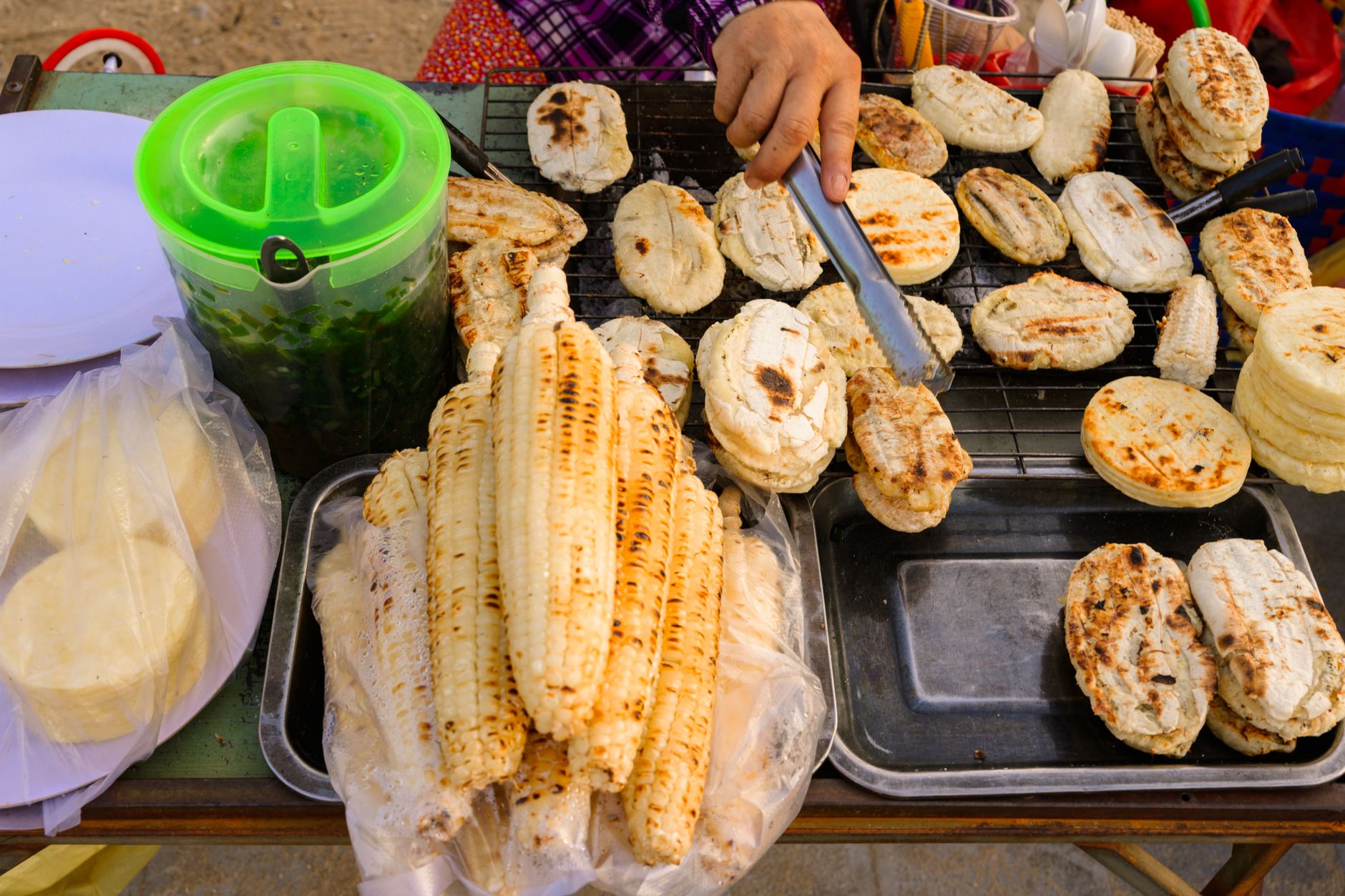
2. The Chestnut Fair of Collobrières, France (late October). This Provençal village in the Maures massif holds one of the oldest chestnut festivals in France, dating back centuries. Stalls sell roasted marrons, chestnut cream, chestnut beer, chestnut-flour crepes. The surrounding forest is a working grove, and you can walk it between tastings. Small, deeply local, almost entirely free to enter — you just pay for what you eat.
3. The Herring Festival of Vlaardingen, Netherlands (June). The Dutch greet the new-season herring with an enthusiasm that borders on religious. Served raw with onions and pickles, held by the tail, eaten in one bite. Vlaardingen’s festival is the most traditional, tied to the historic fishing fleet that once sailed from its harbor. Raw fish not your thing? The smoked and fried versions are just as good and far less intimidating.
Insider Tips
Locals don’t treat these festivals as one-day events. They arrive early, eat at stalls they’ve trusted for years, and leave before the tour buses roll in. Here’s how to do the same.
- Arrive before opening. The best producers sell out of their signature item within two hours. Miss that window and you’re eating the second-tier version.
- Bring cash. Many village stalls don’t take cards, and ATMs in towns of 500 people run dry on festival weekends.
- Learn three words of the local language. “Delicious,” “how much,” “thank you” — they’ll get you better portions and honest recommendations.
- Skip the main square at lunchtime. Satellite stalls on side streets often have the same food with shorter queues and lower prices.
- Book accommodation months ahead. Festival weekends sell out the entire valley. The nearest available room might be 40 kilometers away.
Practical Info
Transport: Regional trains and buses reach most festival towns, but the last mile is often the problem. Rural festivals frequently run shuttle buses from the nearest station — check the town’s tourism website rather than assuming. Renting a car gives you flexibility, though parking near festival centers is a nightmare. I take the train and walk.
Best time to visit: September through November is the sweet spot. Harvest festivals overlap, weather is mild, summer crowds have thinned. Want truffles specifically? October is your month. Herring, June. Tomatoes, August — but accept the heat.
Budget: Entrance to most local festivals is free or under €10. Budget €25–40 per day for food and drink if you eat at stalls. Truffle fairs are the exception — tasting menus and whole truffles can push a day past €150. Accommodation runs from €60 for a rural guesthouse to €200+ near a major festival.
Safety: Low-risk events, all of them. Watch your wallet in large crowds, don’t drive after drinking local wine at lunch, and remember that small-town medical services are limited. Travel insurance with medical coverage is worth the €20.
A Surprising Fact
Most of the “traditional” food festivals you’ll read about were revived or invented in the 1970s and 1980s as a response to rural economic decline. Italy alone has over 40,000 registered sagre, and a large share are less than fifty years old. The recipes are often genuine. The festival format — the stalls, the banners, the commemorative plates — is a modern invention designed to bring visitors back to villages that were emptying out. That doesn’t make the food less real. It makes the whole thing more interesting: you’re eating a culture that decided, deliberately, to keep itself alive.
So which one calls you first — shaved truffle in a Piedmontese piazza, or raw herring on a Dutch harbor wall? Pick one festival, build a week around it, and let the town feed you on its own terms. That’s the trip worth taking.