Dust on your boots, mint tea scalding your fingers, a Roman column jutting out of a mud-brick wall. The ancient cities of the Middle East don’t hand you their history on a velvet cushion — you have to walk into the heat and find it. That’s the appeal. Stand in a theatre built for 6,000 people and hear your own footsteps from the top tier. Eat lunch beside a crusader castle that changed hands five times. This isn’t a museum circuit. It’s living archaeology, and it rewards the curious traveller who shows up with time, sunscreen and a decent pair of shoes. Hidden Temples Southeast Asia. Solo Travel Japan. Islands Thailand Families.
Overview
The region between the Mediterranean and the Euphrates holds some of the oldest continuously inhabited places on earth. Damascus and Aleppo have been trading hubs for millennia. Jerash and Bosra wear their Roman bones openly; Petra carves its architecture into rose-coloured sandstone; Palmyra’s colonnades rise from the desert like a mirage that refused to fade. What unites them is scale. These weren’t provincial outposts — they were imperial cities with theatres, bathhouses, aqueducts and temples, and much of it survives because the dry climate is a natural preservative.
Practically, you can base yourself in Jordan and reach half a dozen major sites by road in a week. Jordan is the easiest entry point right now: stable, well-signposted, and with a tourism infrastructure that has matured without losing its rough edges. From Amman you can be at Jerash in under an hour, at Petra in three, and at the Dead Sea in forty minutes. That density is what makes the region so rewarding — you’re not travelling between ancient cities, you’re travelling through them.
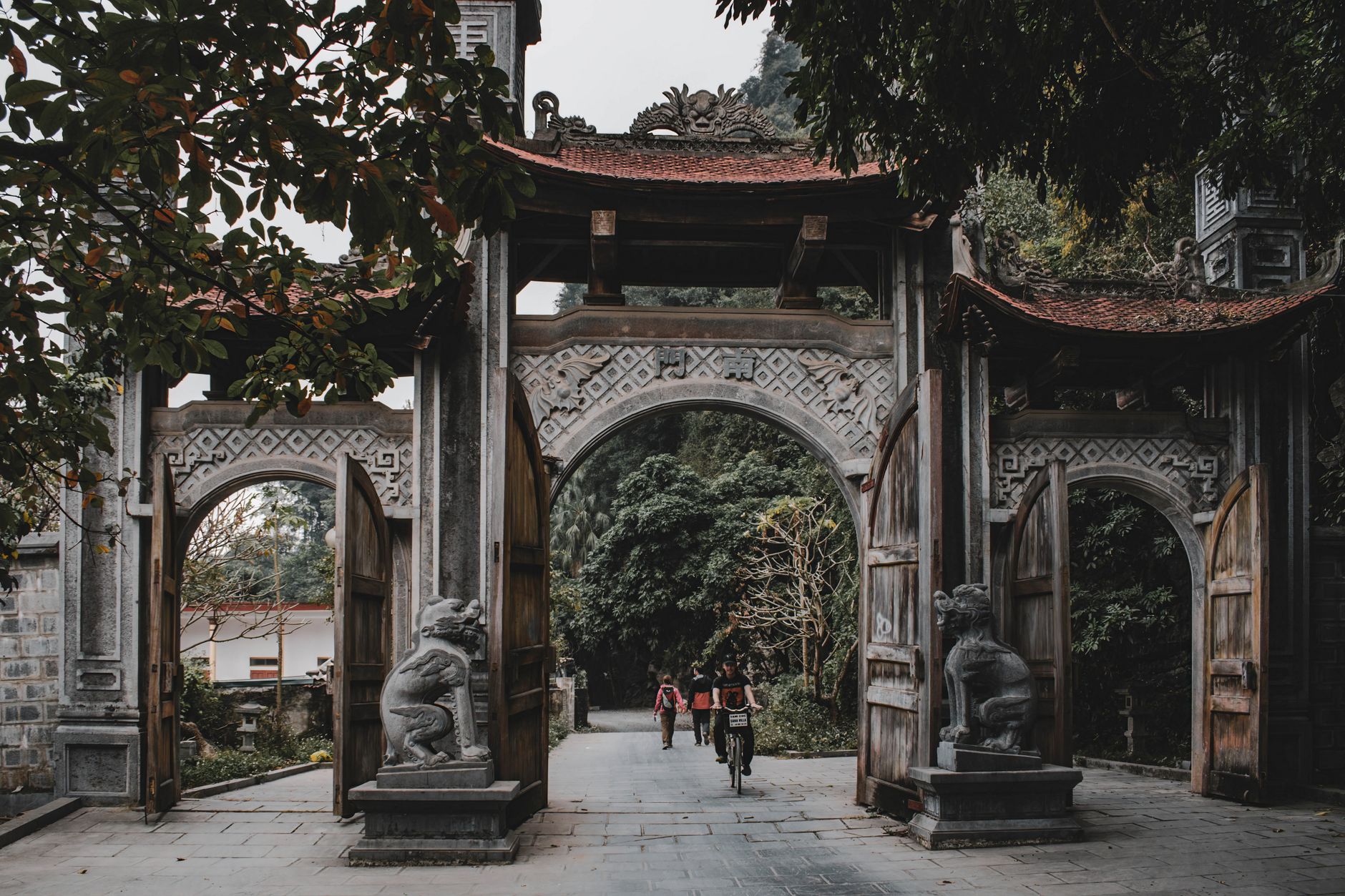
Top 3 Attractions
Petra, Jordan. Everyone knows the Treasury, the facade that greets you at the end of the Siq. What most visitors miss is that Petra is enormous — over 260 square kilometres — and the crowds thin dramatically once you climb past the main thoroughfare. The Monastery, reached by 800 carved steps, is bigger and grander than the Treasury, and you’ll often have it nearly to yourself if you arrive before 8am. Bring two litres of water and start walking at dawn. The light on the sandstone at 7am is the reason photographers keep coming back.
Jerash, Jordan. An hour north of Amman, Jerash is the best-preserved Roman provincial city in the Middle East. The Oval Plaza is a 90-metre-wide colonnade that curves like a stretched horseshoe; the Cardo Maximus runs straight for 800 metres, its paving stones still grooved by chariot wheels. Come on a weekday morning and you’ll share it with school groups and a handful of others. The Hippodrome hosts a daily chariot demonstration — theatrical, yes, but the horses are real and the track is original.
Bosra, Syria. This one requires a caveat: check your government’s travel advice and go only when it’s genuinely safe. But Bosra’s Roman theatre is the most complete in the world — a 15,000-seat structure later fortified by the Ayyubids, who built a citadel around it and preserved it by accident. The acoustic is astonishing; a whisper on stage reaches the back row. If you can get there, it’s the single most impressive Roman building outside Italy.
Insider Tips
- Hire a local guide at Petra, not before. The Bedouin guides at the site gate charge less than tour operators and know which tombs have the best light at which hour. Ask for someone who grew up in Umm Sayhoun.
- Carry small notes. Everywhere in the region, change is scarce. A pocket of one-dinar and five-dinar notes will save you endless awkwardness at tea stalls and taxi ranks.
- Dress for the sun, not the photos. Long, loose cotton beats shorts every time — it keeps you cooler and gets you a warmer reception in conservative areas.
- Visit the small sites. Umm Qais, overlooking the Golan, has a Roman theatre, a Byzantine church and a view that stretches to four countries. It gets a fraction of Jerash’s visitors.
- Learn five words of Arabic. “Shukran” (thank you) and “marhaba” (hello) open more doors than any guidebook. Locals notice the effort immediately.
Practical Info
Getting there and around. Fly into Amman (Queen Alia International) or Aqaba. Renting a car is the most flexible option — roads are good, signage is in Arabic and English, and fuel is cheap. Buses and servees (shared taxis) connect major towns but won’t reach the more remote sites. For Petra, the JETT bus from Amman takes about three and a half hours.
Best time to visit. March to May and September to November. Summer heat is brutal at Petra and Jerash — 40°C is common in July. Winter brings rain and occasional snow in Amman, though Petra stays walkable. Ramadan changes opening hours; check ahead.
Budget. Mid-range travellers should budget around $80–120 per day in Jordan, including accommodation, meals, transport and entry fees. The Jordan Pass (about $100) covers your visa and entry to Petra, Jerash and dozens of other sites — buy it online before you fly.
Safety. Jordan is stable and welcoming; petty crime is rare. The usual advice applies: drink bottled water, avoid unlicensed taxis, and check your foreign ministry’s advice for Syria before considering Bosra. Women travelling solo report feeling safe but should expect some unwanted attention in busy markets.
A Surprising Fact
Petra wasn’t lost to the Western world until 1812 — but that’s not the surprising part. The Nabataeans who built it were master hydraulic engineers who carved an entire water-management system into the rock: channels, cisterns and terracotta pipes that could supply a desert city of 20,000 people. When archaeologists tested the system in 2016, some of the original channels still worked. The Treasury’s famous facade, meanwhile, is thought to have been a tomb, not a treasury — the name comes from a local legend that bandits hid gold in the urn at the top.
Here’s my counter-intuitive take: skip the guided tour bus and go it alone, slowly. The ancient cities of the Middle East reward lingering — sitting on a Roman step for twenty minutes, watching the light move across a colonnade, letting the place settle around you. You’ll see more by doing less. So what are you waiting for? Pick one city, give it three days, and let the stones do the talking.