Six metres down, the reef wall at Coral Garden bends away into blue. A hawksbill turtle drifts past so close I could count the scutes on its shell. That was my sister’s first open-water dive, three years ago. She’d been nervous on the boat, gripping the rail like it owed her money. Ten minutes underwater and she was grinning around her regulator. The spot that did it sits off the northwest coast of Curaçao, and it’s one of a handful of places on this planet where a nervous beginner can meet real reef life without fighting current, cold, or crowds. This guide covers the three best destinations I keep sending new divers to, plus the tips that make the first twenty dives memorable for the right reasons. spots-in-the-world-3-places-worth-the-trip/”>Sunset Spots World. Mountain Towns Alps.
Overview
Beginner diving lives or dies on a few unglamorous variables: water temperature, visibility, current, and how much the local operators care about teaching rather than herding. Get all four right and a new diver finishes the week hooked. Get them wrong and you’ve spent good money on a stressful holiday.
My picks cluster around the southern Caribbean and the western Indian Ocean. Both regions offer warm water year-round, reliable 20–30 metre visibility, and shore entries that let you wade in rather than tumble backwards off a boat. Curaçao, Bonaire and Zanzibar each deliver that formula in different ways. All three have dense, accessible reefs, established dive schools with English-speaking instructors, and enough topside charm to keep non-diving partners happy. You don’t need to be a strong swimmer to start, either. You need calm water and a patient instructor. These places have both.
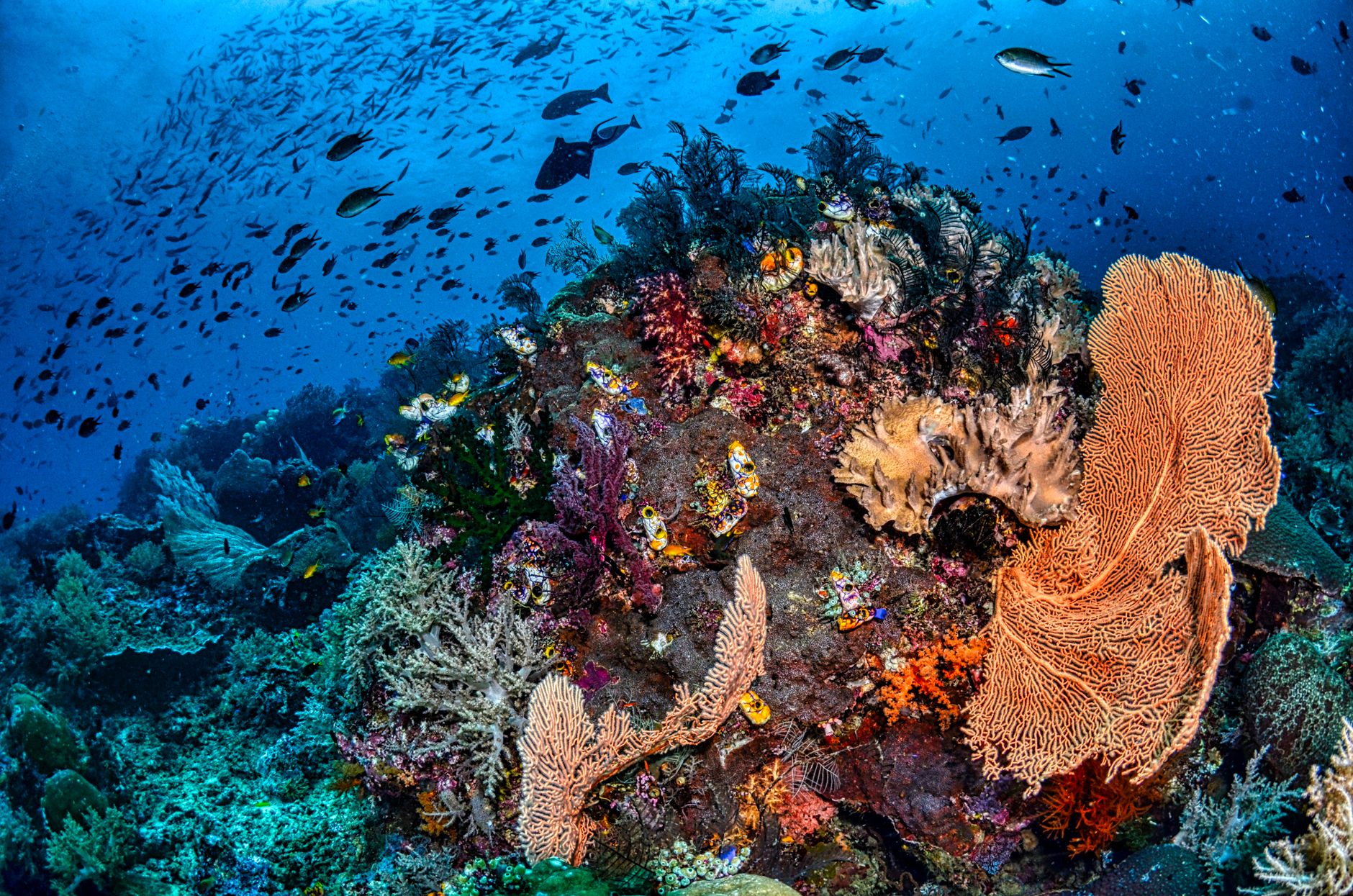
Top 3 Attractions
1. Coral Garden, Curaçao. This shore dive near Lagun starts in waist-deep water and follows a sandy channel out to a reef that drops from 5 to 30 metres. Beginners stay shallow on the shelf, where the coral is healthiest and the fish are thickest. Expect parrotfish, French angelfish, and the occasional eagle ray cruising the sand flats. There’s a small entry fee at the beach club, and tanks are available on-site. Go before 9am and you’ll have the shelf to yourself.
2. Salt Pier, Bonaire. Bonaire’s entire coastline is a protected marine park, and the Salt Pier is its most photogenic shore entry. The pilings are encrusted with orange cup coral and sponges, and the structure attracts tarpon, barracuda, and seahorses. Current is usually mild, and the entry is a gentle walk down a sandy slope. Do not dive here when a ship is docking — the harbormaster closes it, and the rule exists for good reason. Check the schedule at any dive shop the morning you go.
3. Mnemba Atoll, Zanzibar. A boat ride rather than a shore entry, but worth the 20-minute crossing from Nungwi. The inner reef sits at 8–12 metres, which is ideal for new divers, and the visibility regularly tops 30 metres. You’ll see green turtles, moray eels, and clouds of fusiliers. Book with a shop that caps groups at four divers per guide. The atoll gets busy by mid-morning, so take the early boat.
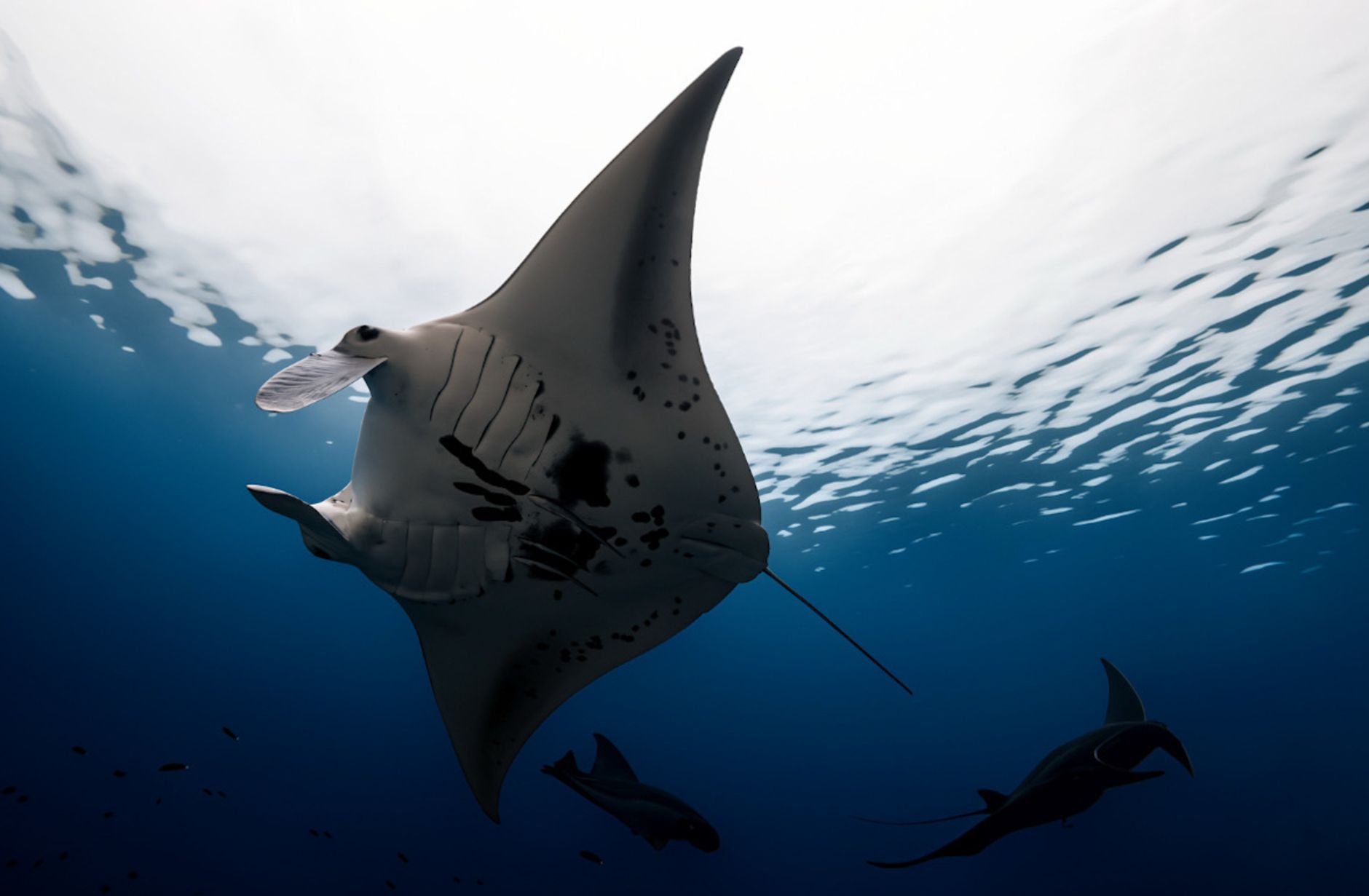
Insider Tips
- Do your confined-water sessions at home. Finish the pool work before you fly. You’ll spend your holiday doing the fun part — open water on real reefs — instead of hovering in a hotel pool.
- Ask about guide ratios before you book. Four students per instructor is good. Six is a crowd. Eight is a production line. Ask directly; reputable shops will tell you without hesitation.
- Rent your gear from the shop you dive with. Bringing your own mask is smart. Bringing your own regulator to a shop that services its rental fleet is not. Local gear means local servicing and a fix when something leaks.
- Dive in the morning, snorkel in the afternoon. Wind picks up after lunch across all three destinations, chopping the surface and cutting visibility. Morning dives are calmer and quieter.
- Log every dive and get your instructor to sign it. Your logbook is your currency for the next course. Shops in Zanzibar and Bonaire will ask to see it before they let you join deeper trips.
Practical Info
Getting there. Curaçao and Bonaire both have direct flights from Amsterdam and Miami; Bonaire’s runway is smaller, so connections via Curaçao are common. Zanzibar is reached via Dar es Salaam or direct seasonal flights from Europe. On Curaçao and Bonaire, rent a car — shore diving means driving your tanks to the entry point, and taxis won’t wait while you’re underwater.
Best time to visit. The southern Caribbean is divable year-round. December to April is driest and calmest; September and October bring the tail end of hurricane season, though Curaçao sits outside the main storm belt. For Zanzibar, January to March and June to October offer the clearest water. Avoid the long rains in April and May.
Budget. Expect €45–70 per guided dive in the Caribbean, less if you buy a multi-dive package. Zanzibar runs €50–80 including the boat. Open-water certification costs roughly €350–500 depending on the shop. Accommodation ranges from €40 guesthouses to €250 boutique hotels.
Safety. All three destinations have hyperbaric chambers within reach, but confirm the location and hours with your dive shop before you get in the water. Buy dive-specific insurance that covers evacuation. Never dive the day before a flight — 18 to 24 hours is the standard no-fly window, and it’s non-negotiable.
A Surprising Fact
Bonaire’s reefs have been protected since 1979, which makes its marine park one of the oldest in the world — and the payoff is measurable. Fish biomass on Bonaire’s reefs is roughly double that of comparable Caribbean islands, according to long-term survey data. Here’s the counter-intuitive part: the protection was driven less by government foresight than by local dive operators and residents who lobbied hard for it. Community pressure, not policy from above, built the reef you’ll be swimming over.
So which one is yours? If you want the easiest possible start, fly to Curaçao and wade into Coral Garden. If you’re already certified and chasing shore-dive freedom, Bonaire is the answer. And if you want warm water, big turtles, and a boat ride at sunrise, book the early Mnemba trip. Whichever you choose, sort your confined-water sessions first, ask about guide ratios, and dive in the morning. Then send me a photo of your first turtle. I still have mine framed.