Every traveller says they want to escape the crowds. Almost none of them do. They book the same three islands, queue for the same viewpoint, photograph the same smoothie bowl. Finding genuinely quiet places isn’t about luck or a secret list — it’s a method. Learn it once and you’ll never book a trip the same way again. I’ve spent twelve years chasing the road less travelled, from the Douro’s back lanes to Albanian mountain villages, and the technique is repeatable. This guide is about the how, not a single destination. Master the process and you’ll have a lifetime of empty trails ahead of you.
Overview
Off-the-beaten-path travel isn’t a place. It’s a filter you apply to every decision, from which flight you book to which bus stop you get off at. The goal isn’t hardship or bragging rights — it’s better travel. Quieter roads, cheaper rooms, warmer welcomes, and the feeling that you actually went somewhere rather than shuffled through a theme park with a passport.
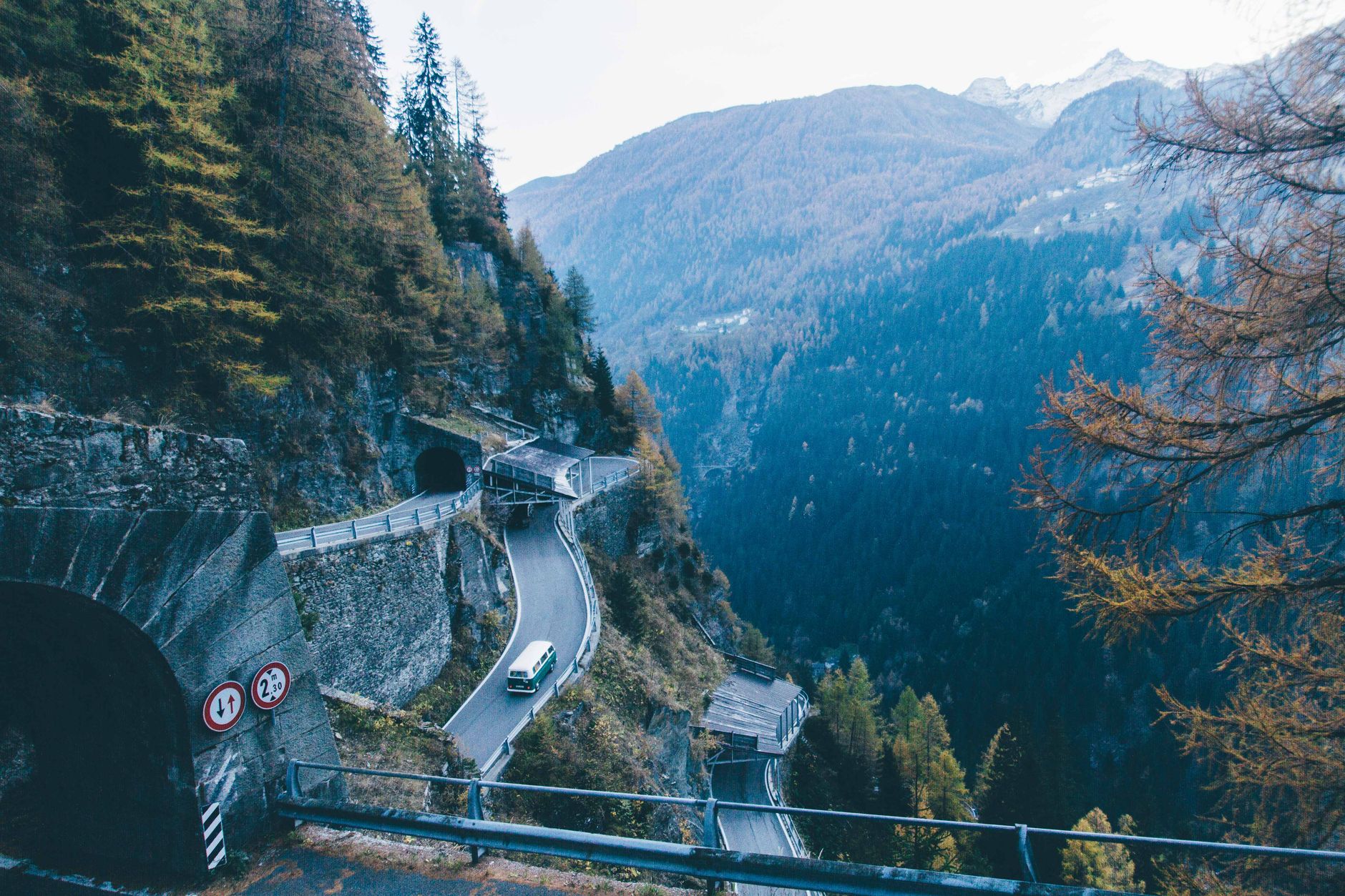
Friction is the core principle. Crowds follow convenience, so anywhere easy to reach, easy to book, and easy to photograph gets swamped. Add a little friction — a slow ferry, a winding mountain road, a language barrier, a booking system that involves a phone call — and the numbers thin out fast. Your job is to find the right amount of friction without tipping into genuine hassle. That’s the whole craft in one sentence.
Top 3 Attractions
The second-city detour. Every country has a famous capital and a forgotten second city nobody bothers with. Skip the capital entirely, or give it two days, and base yourself in the runner-up. Portugal’s Porto gets the crowds; Guimarães, forty-five minutes up the line, gets cobbled squares, a medieval centre that’s a UNESCO site, and lunch for eight euros. Check the rail map, not the Instagram map. Find the second-largest city within two hours of the airport and go there first.
The end-of-the-line village. Pick a regional bus route and ride it to the final stop. Not the pretty stop halfway — the literal terminus, where the driver turns the engine off and goes for coffee. That’s where the village is that nobody built a hotel for. I found a hill town in northern Spain this way with one bar, one church, and a woman who insisted I stay for lunch. The bus runs twice a day, the timetable is on a laminated sheet at the stop, and that’s your filter working perfectly. Ask the driver when the return bus leaves before you get off — always.
The shoulder-season coastline. Coastlines have a season, and it’s shorter than the guidebooks admit. Go two weeks before or after the peak and the same stretch of shore empties out while the water stays warm. The Alentejo coast in late September is the version I keep returning to: the surf schools are winding down, the seafood is at its best, and the beach car parks are half full. Check water temperatures and rainfall averages rather than air temperature — that’s what actually determines whether a coast is worth visiting off-peak.
Insider Tips
- Book the awkward route. When comparing transport options, deliberately choose the one with an extra change or a slower ferry. It costs an hour and saves you a crowd.
- Search in the local language. Type your destination into a search engine alongside local-language words for “guesthouse” or “trail”. You’ll surface places that never bothered with an English listing.
- Ask the question that unlocks everything. At every bar, ask the owner: “Where do you go on your day off?” Locals recommend their own escapes, not the tourist sites.
- Stay two nights minimum. Remote places reward patience. One night means you see the arrival, not the place. Two nights means you get invited to something.
- Carry cash and a paper map. Off-grid villages often have no ATM and patchy signal. Twenty euros in small notes and a folded map have saved more trips than any app.
Practical Info
Transport. Regional buses and trains are the backbone of this kind of travel. Check national rail sites directly rather than aggregators — local operators often don’t appear on the big booking platforms. In rural areas, a rented car for two or three days opens up the end-of-the-line villages that buses skip. Book the car from a small town depot, not the airport; it’s cheaper and the staff actually know the roads.
Best time to visit. Shoulder season, every time. Late April to early June and September to mid-October give you decent weather, open businesses, and half the visitors. Avoid the two weeks around local public holidays — that’s when domestic tourists fill the quiet places before you can.
Budget. Quiet places are usually cheap places. Expect guesthouse rooms well under the capital-city rate, meals for a third of what you’d pay in a tourist centre, and almost no entry fees. Budget around 60–90 euros a day in southern Europe, less in the Balkans and rural Portugal. Carry a buffer for the one taxi you’ll inevitably need.
Safety. Remote doesn’t mean dangerous. The real risks are practical: a missed last bus, a trail with no phone signal, a village with no pharmacy. Tell your accommodation where you’re going, download offline maps, and check sunset times before setting out on foot. Standard precautions, not paranoia.
A Surprising Fact
The most crowded places on earth often have the best marketing, not the best scenery. Studies of visitor flows repeatedly show that a handful of photogenic spots absorb the overwhelming majority of tourists in any given region, while equally beautiful places a short drive away sit nearly empty. The bottleneck is rarely the destination itself — it’s the recommendation engine. The same handful of images get shared, the same lists get copied, and everyone converges on the same coordinates. Break the loop by choosing with a map instead of a feed, and you’ll find that the “hidden” places were never hidden at all. They were just never photographed for you.
So here’s my challenge: next trip, pick one destination you can’t find on a top-ten list, book two nights, and get there the slow way. Then tell me what you found. Send me a note with the name of the village or the stretch of coast — I keep a running list, and the best entries always come from readers who took the awkward bus. The quiet places aren’t going anywhere. They’re just waiting for someone willing to add a little friction.