Canada holds more freshwater than almost anywhere else on Earth. Its lakes run from turquoise glacier-fed pools you can see the bottom of to sprawling inland seas with their own weather systems. I’ve paddled a few, swum in water cold enough to reset my heartbeat, and slept on granite shores where the only sound was loons calling at 2 a.m. This guide covers the lakes worth planning a trip around — not every pond with a boat launch, but the ones that justify the drive, the portage, or the floatplane fare. Want water that stays with you long after you get home? Start here. Time Visit Iceland. food-markets-in-europe-hungry-travellers-guide/”>Food Markets Europe.
Overview
Canada’s best lakes are scattered across a country that takes roughly six days to cross by car, so geography matters. The Rocky Mountain lakes of Alberta and British Columbia deliver the postcard colours — glacial silt and dissolved minerals refracting light into that impossible jade. Ontario and Quebec’s Canadian Shield lakes give you granite islands, pine, and a labyrinth of channels best explored by canoe. Further north, the territories hold water so remote that some lakes see fewer visitors in a year than a Banff trailhead sees before lunch.
Water quality and scale tie them together. Many of these lakes are drinkably clean, and several are large enough to generate their own wind and waves. Plan around a region rather than trying to collect lakes like stamps. A single week in one watershed beats three days of highway hopping every time.
Top 3 Attractions
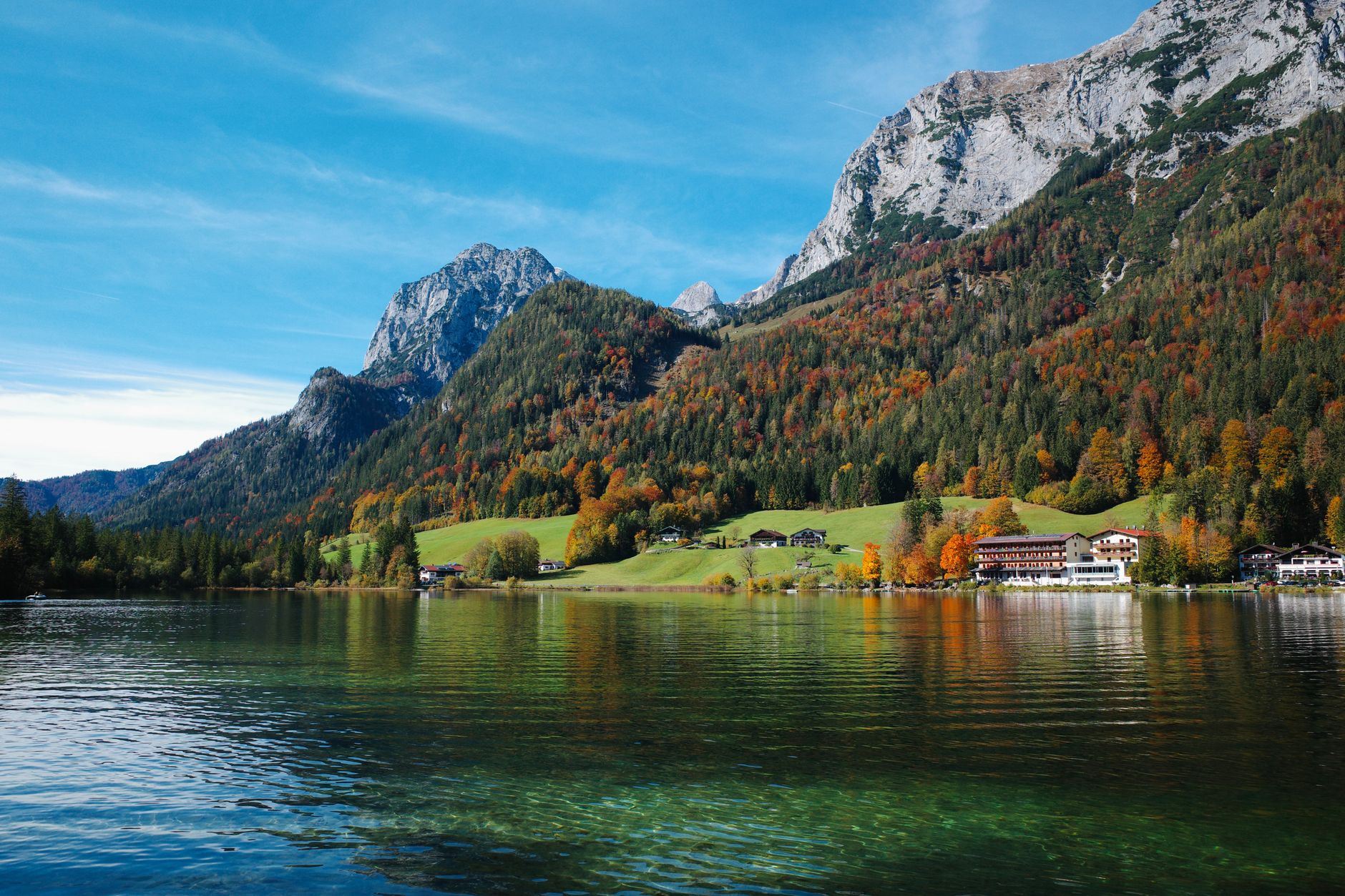
Moraine Lake, Banff National Park, Alberta. The Valley of the Ten Peaks frames a lake that shifts from deep sapphire to milky turquoise depending on the light and the glacial melt. The Rockpile Trail is a short, steep 300-metre climb to the classic viewpoint — go before 7 a.m. to beat the shuttle crowds. Parking fills by sunrise in summer and the road closes when it does, so use the Parks Canada shuttle from the Lake Louise Ski Resort. Canoe rentals run around CAD 130 per hour; the water stays brutally cold even in August.
Lake Superior’s north shore, Ontario. Superior is an inland sea, and the stretch between Wawa and Thunder Bay is where it shows off. Pukaskwa National Park has a coastal hiking trail with backcountry campsites perched above pink granite. The Lake Superior Provincial Park shoreline near Old Woman Bay combines 200-metre cliffs with a beach that stays quiet even in peak season. This is a lake for hikers and storm-watchers, not sunbathers — the water rarely climbs above 15°C.
Clearwater Lakes, Quebec. Not one lake but a chain in the Mastigouche and Laurentides region where the water is genuinely transparent, often 10 metres of visibility. Canoe-camping routes thread through quiet channels with portages short enough for beginners. Outfitters in the area rent gear and run shuttles. Go mid-week in September and you may paddle a full day without seeing another boat.
Insider Tips
- Book Parks Canada shuttles and backcountry permits the moment reservations open — Banff and Jasper slots vanish within minutes for July and August dates.
- Swim early in the morning when the surface layer is calmest; afternoon winds kick up chop on big lakes and drop water temperatures at the shoreline.
- Carry a proper water filter even where the water looks pristine. Giardia and other parasites are present in many popular backcountry lakes, and “it looked clear” is not a treatment plan.
- Ask locals which lakes have leeches. It sounds unpleasant, but a quick question at an outfitter saves you from a swim in a weedy bay full of them.
- Pack layers for all four seasons in a single day. Mountain lakes can swing from 25°C sunshine to near-freezing rain within hours, and hypothermia is a real risk on the water.
Practical Info
Getting there. Calgary is the gateway for Moraine Lake and the Rockies; Thunder Bay and Sault Ste. Marie serve Lake Superior’s north shore; Montreal is the launch point for Quebec’s Laurentides lakes. A rental car is close to essential outside the national park shuttle networks. Floatplanes reach the most remote lakes and cost anywhere from CAD 400 to 900 per person round trip.
Best time to visit. Late June through early September for swimming and paddling, with July and August the warmest but busiest. September brings fewer crowds, cooler nights, and the first hints of autumn colour. Winter transforms these lakes into ice-skating and ice-fishing destinations — Lake Louise’s skating rink is famous, though check ice thickness with local authorities before stepping out.
Budget. National park entry runs about CAD 11 per adult per day, or CAD 75 for an annual Discovery Pass. Campgrounds range from CAD 16 to 35 per night; backcountry permits cost more and require booking. Canoe rentals average CAD 60 to 130 per day. A realistic mid-range week, including car and accommodation, lands around CAD 1,500 to 2,500 per person.
Safety. Cold water is the biggest hazard. Wear a life jacket — it is legally required in most provinces — and know that sudden immersion in glacier-fed lakes can cause cold shock within seconds. Tell someone your route before heading into the backcountry, and carry bear spray in the Rockies and northern Ontario. Cell coverage disappears fast once you leave the highway.
A Surprising Fact
Canada contains roughly 62 percent of the world’s lakes, and the number is still climbing. Satellite surveys keep finding new ones as imaging improves — the count now sits near two million, though only a few hundred thousand are large enough to appear on most maps. All that water does not mean easy access, though. Most of these lakes have no road, no trail, and no name. The country’s defining landscape is often the hardest thing to reach.
Pick one region, give it real time, and let the lake set the pace. Have you ever swum in water so cold it made you laugh out loud? That is the Canadian lake experience in a sentence. Book the shuttle, rent the canoe, and go find out.